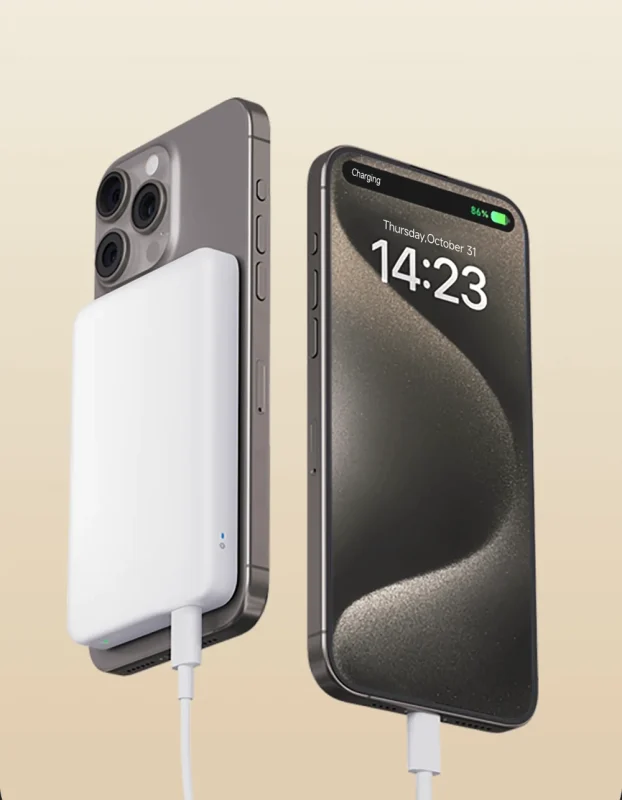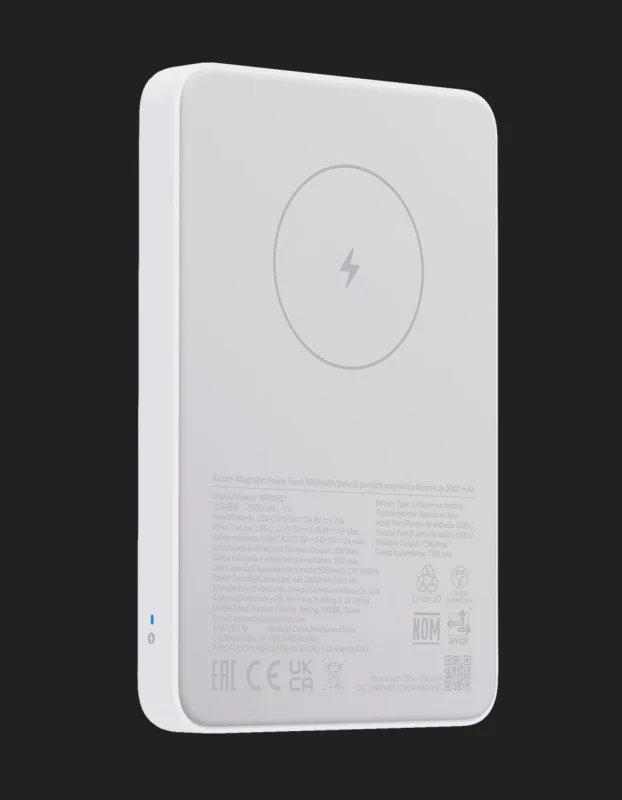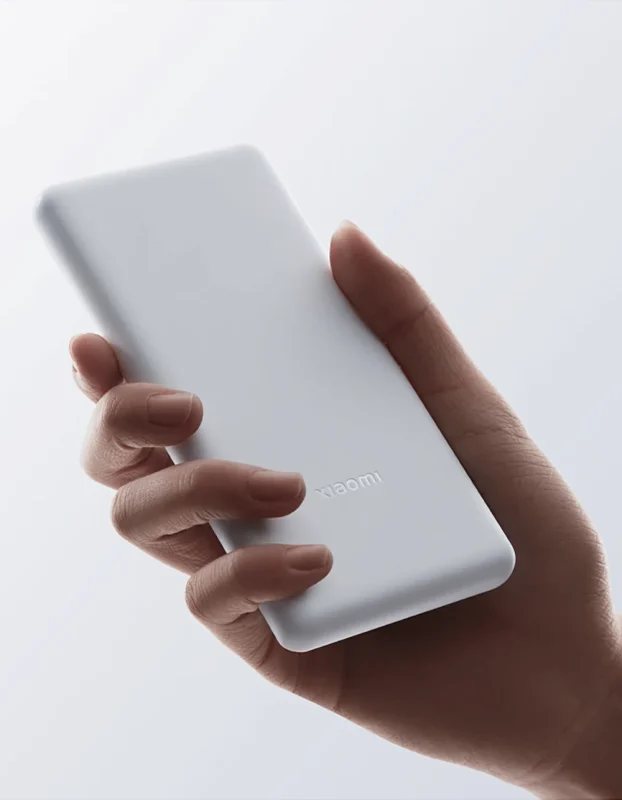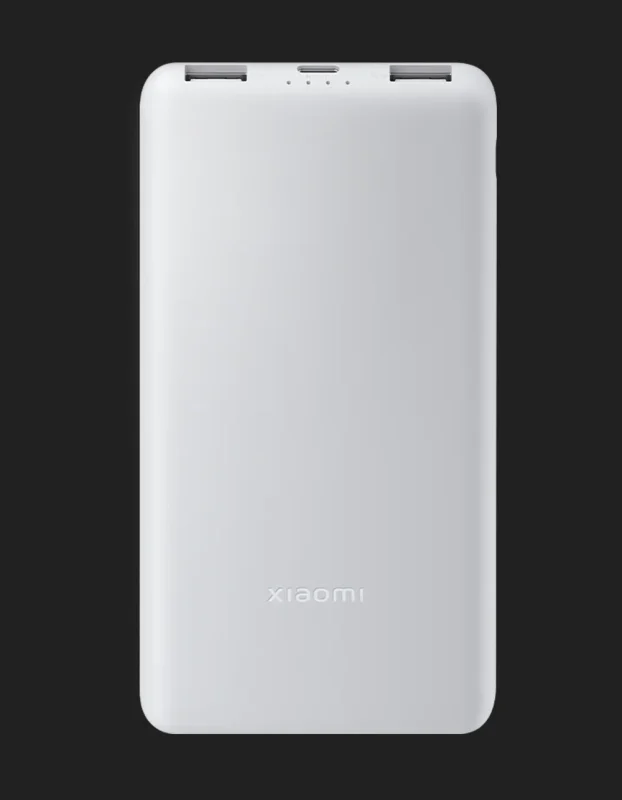
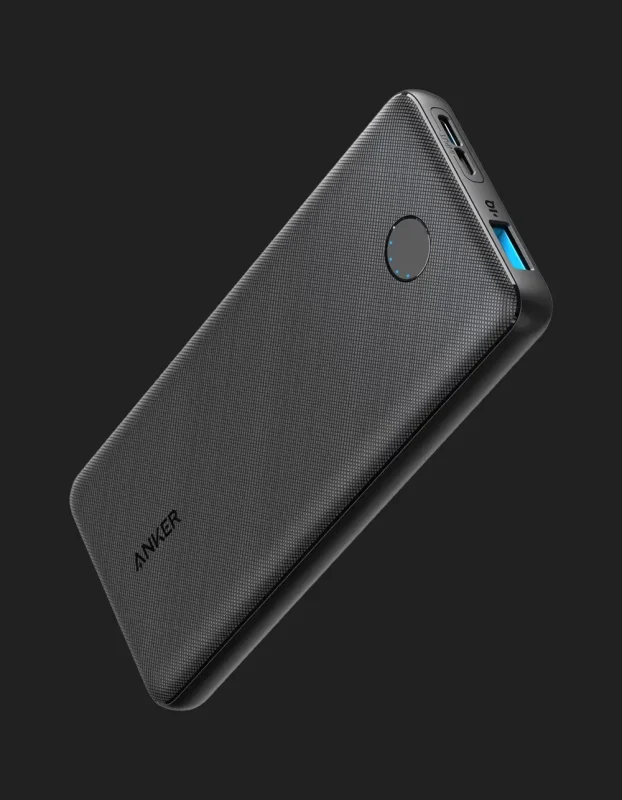
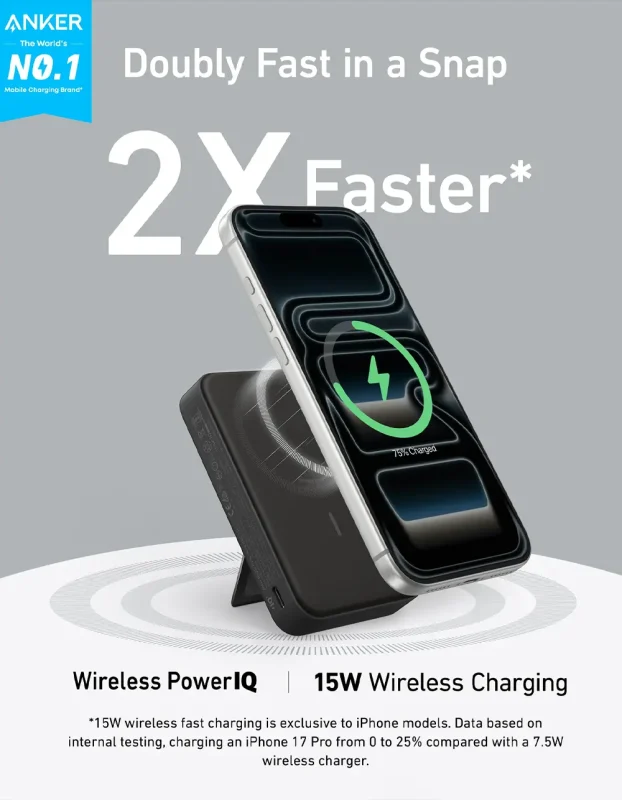
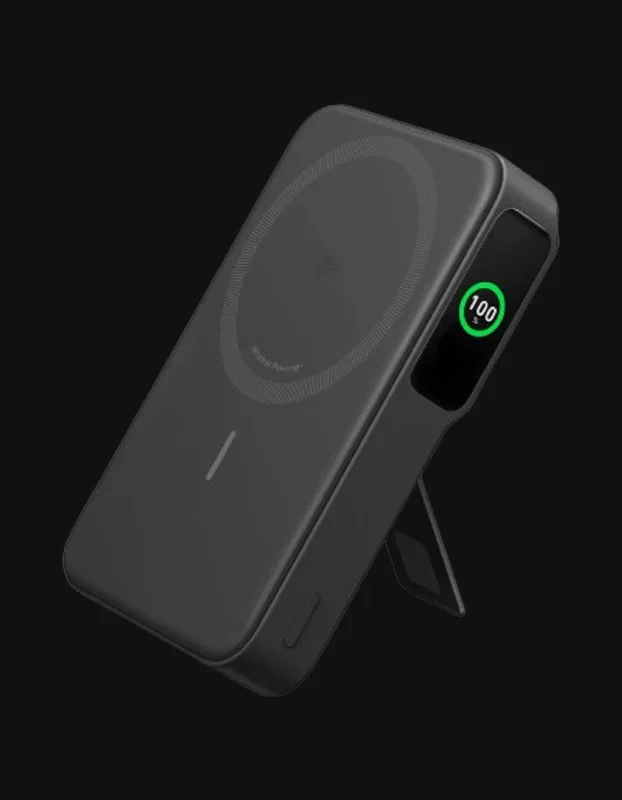
Showing all 9 results

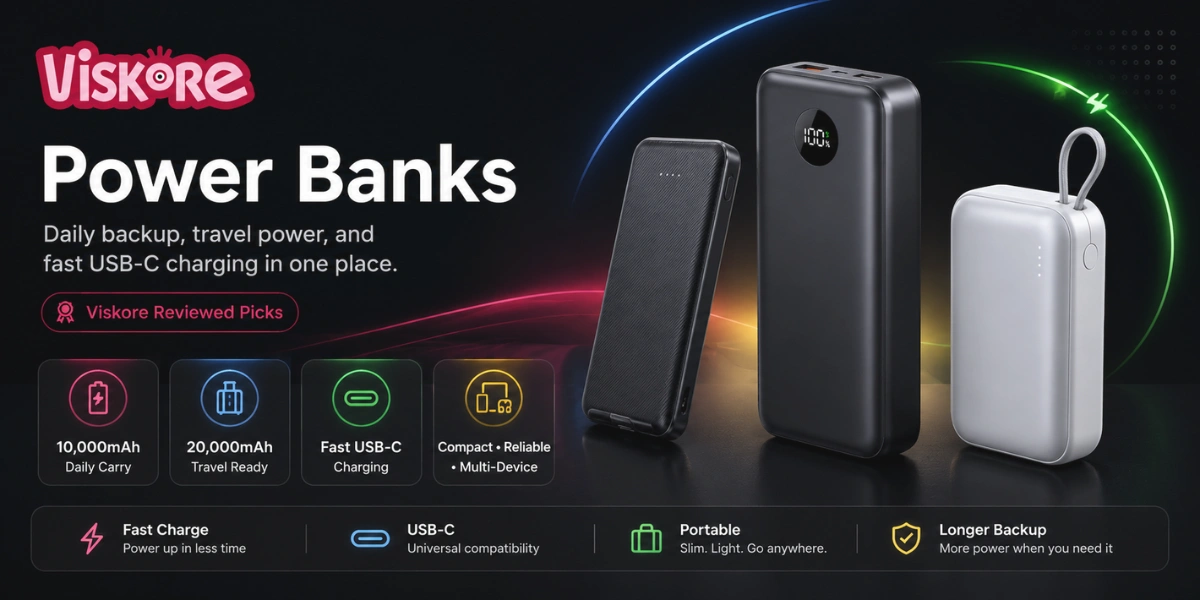
Power Banks

Power Banks That Fit Real Life, Not Just Spec Sheets

A power bank usually becomes important at the worst possible moment.

Your phone is at 6%. You are outside. The map is open, mobile data is on, and there is no charger nearby. That is when a good power bank stops being “just another accessory” and starts feeling necessary.

At Viskore, this category is not built around empty product claims. It is about helping you choose a power bank that actually fits your day.

Some people need a slim backup for their phone. Some need fast charging before a meeting. Some need enough power for travel, long workdays, or multiple devices.

Same product category. Very different needs.

Start With Your Routine

Before looking at capacity, start with your routine.

Do you carry a bag every day? Do you travel often? Do you use your phone heavily outside? Do you charge only one device, or do you also carry earbuds, a smartwatch, tablet, camera, or second phone?

These questions matter more than most people think.

A power bank that works perfectly for a student may feel too small for a traveler. A high-capacity model that suits a creator may feel too heavy for someone who only needs emergency phone backup.

The better you understand your day, the easier the choice becomes.

Viskore Review Method

Every Product Gets Checked Before It Gets a Score

The Viskore Score is not just a random number added to make the product page look better. We use it to show how a product feels in real use, especially when small details start to matter.

For power banks, we look at things like charging speed, battery capacity, output stability, portability, heat behavior, build quality, and how practical the product feels for daily users, travelers, students, and people who carry more than one device.

The goal is simple: help you understand whether this product actually fits your routine, not just whether the specs look strong on paper.

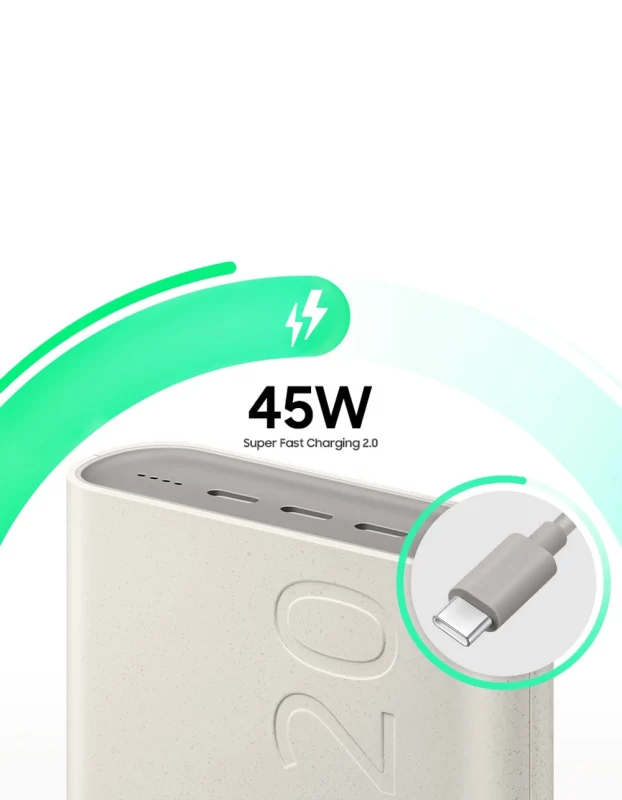
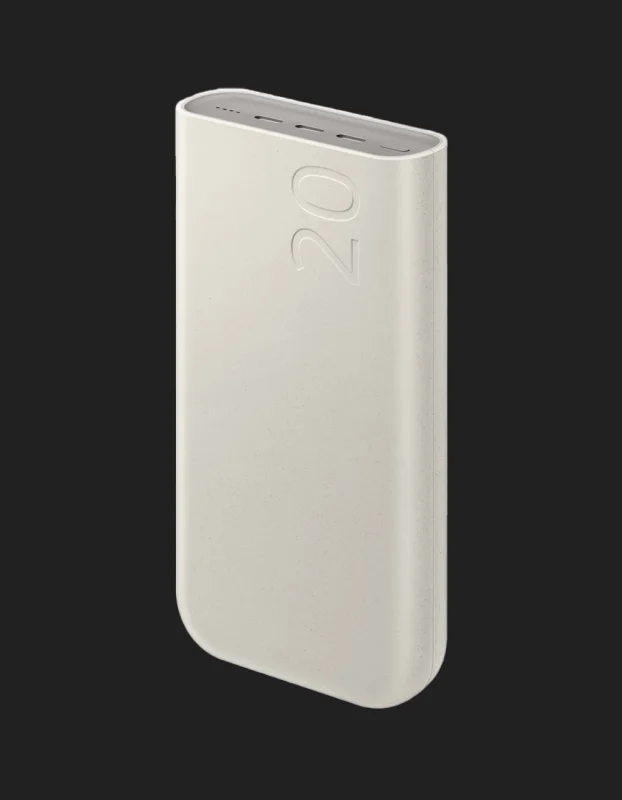
Current Evaluation Samsung 45W 20000mAh Powerbank
8.7 /10
Strong Daily Backup

Good capacity, useful 45W output, and practical USB-C support make it a solid option for long days and multi-device charging.

Charging Speed Fast
Portability Balanced
Power Stability Reliable
Best For Travel & Work

Capacity Is Important, But Not Everything

Most buyers compare power banks by capacity first.

10,000mAh sounds simple. 20,000mAh sounds stronger. Higher numbers feel safer. That is not wrong, but it is not the full story.

Capacity tells you how much energy the power bank can store. It does not tell you how comfortable it is to carry, how fast it charges, how good the ports are, or how useful it feels when you are in a hurry.

That is where the real difference starts.

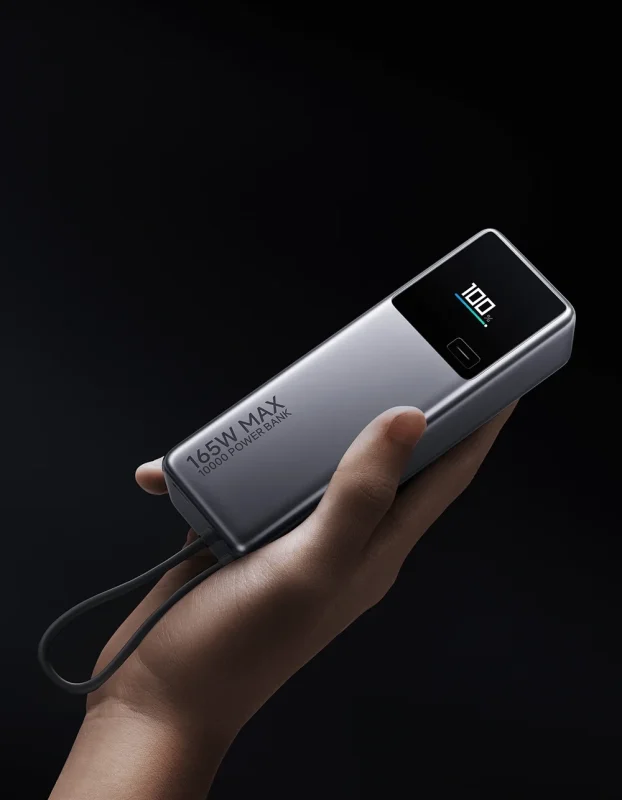
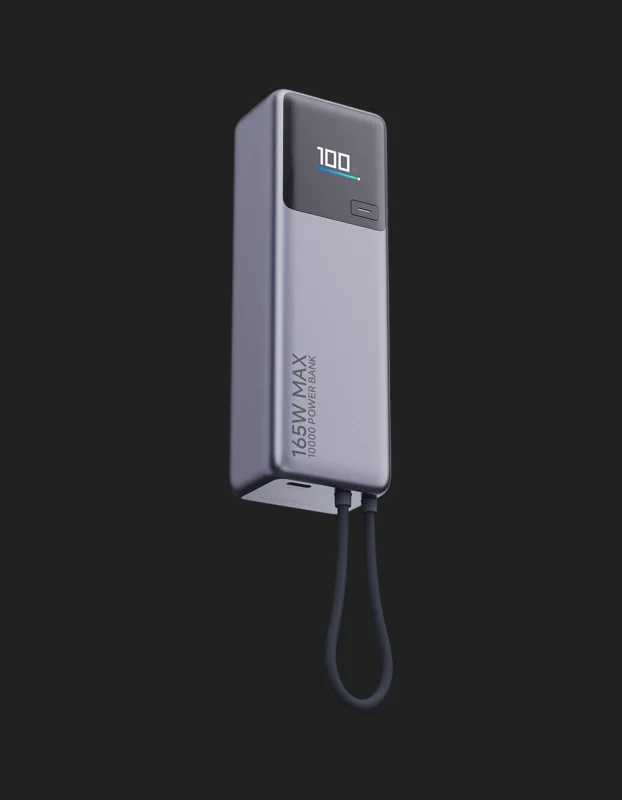
When 10,000mAh Makes Sense

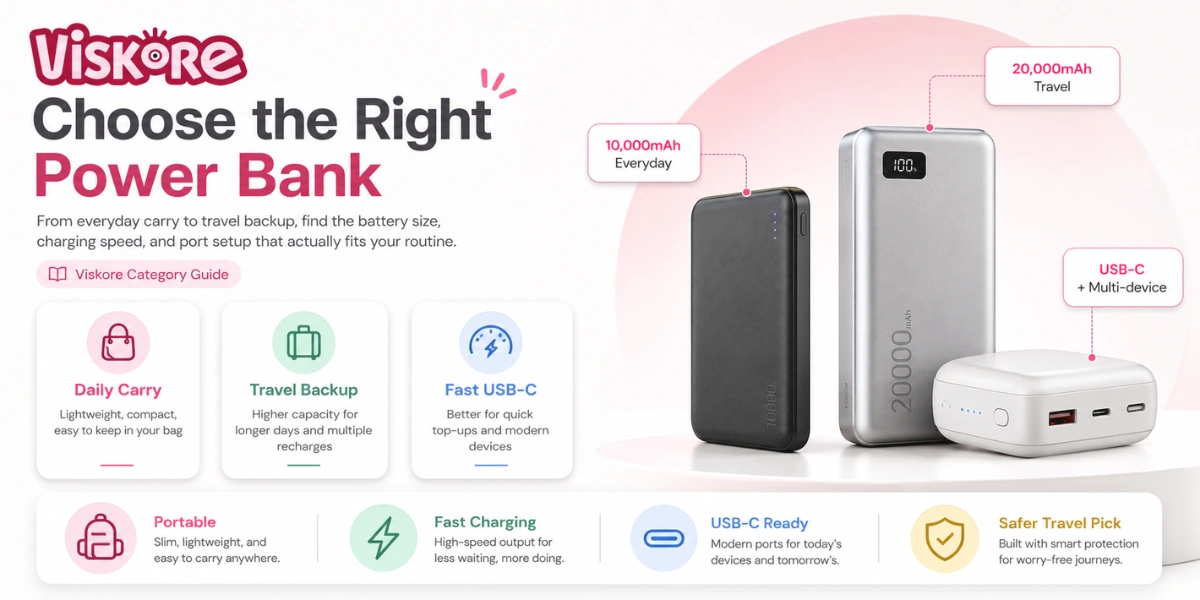
A 10,000mAh power bank is often the practical choice for normal daily use.

It is usually lighter, easier to carry, and enough for people who mainly need phone backup during the day. If your phone sometimes drops below 20% before you get home, this size can solve the problem without adding too much weight.

This is the type of power bank you can keep in a small bag, office drawer, backpack, or even carry during short trips.

It does not try to power everything. It just saves the day when your phone battery starts falling too fast.

Viskore Market View

Popular Power Bank Choices We See Buyers Compare Most

Instead of listing every model the same way, Viskore looks at how each brand usually fits real buying behavior: daily charging, travel use, fast charging needs, portability, and value for money.

Brand Popular Buyer Type Why People Choose It Best Use Case Viskore Take
A
Anker Premium fast-charge focus
Heavy users

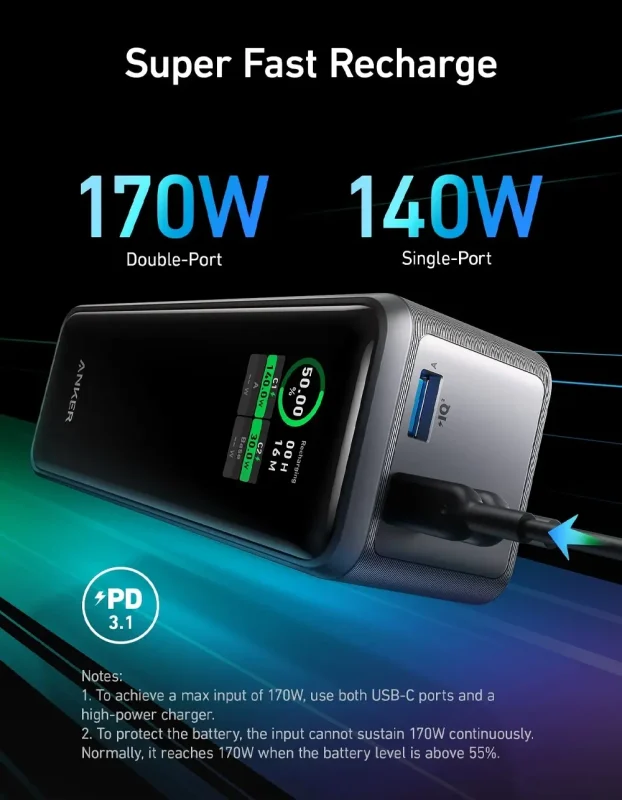
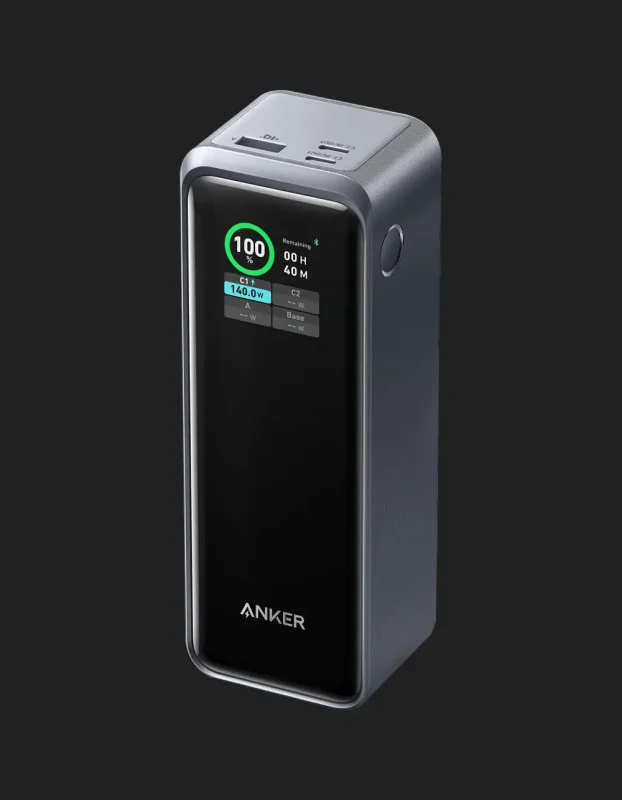
Usually picked by people who care about charging speed, output stability, and stronger daily reliability.

Anker models often attract buyers who want cleaner charging behavior, better port options, and less guesswork when charging more than one device.

Travel, work, multi-device charging

A strong choice when performance matters more than simply buying the cheapest backup battery.

S
Samsung Balanced everyday charging
Phone-first buyers

Often chosen by users who want a familiar brand and practical charging for Galaxy devices and USB-C setups.

Samsung power banks usually feel logical for people already using Samsung phones, tablets, earbuds, or a USB-C daily setup.

Daily backup, office, commute

A safe middle-ground option when the buyer wants trusted charging without making the product too complicated.

X
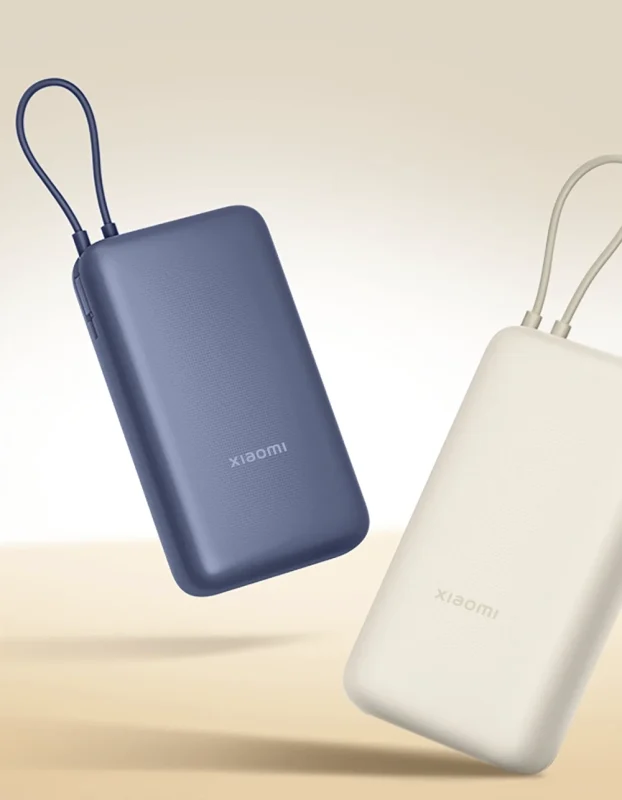
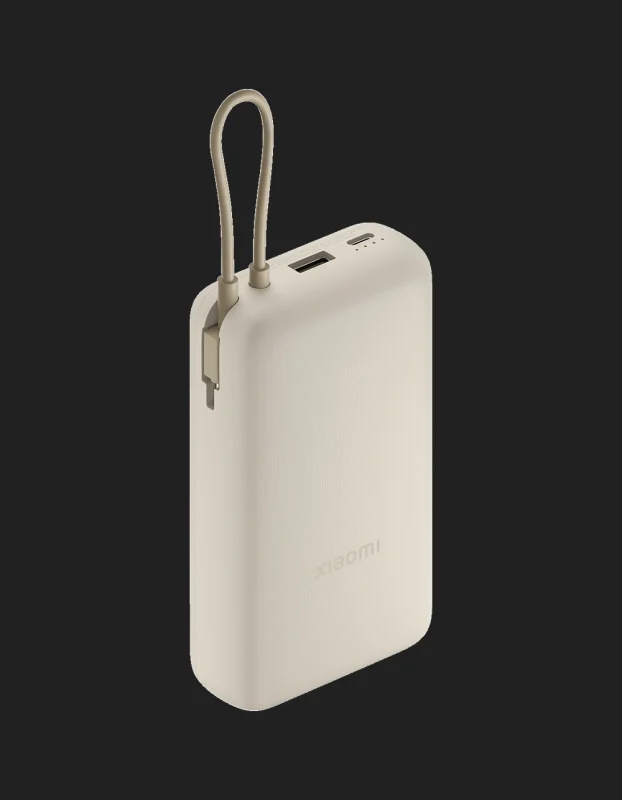
Xiaomi Value and capacity appeal
Value seekers

Usually considered by buyers who want useful capacity, simple design, and a more budget-friendly power bank.

Xiaomi models are often attractive when the main goal is practical backup power without moving into a premium price range.

Daily carry, backup, casual travel

A sensible pick for users who want straightforward charging and good value, especially for normal phone use.

Viskore does not score power banks only by capacity. We compare how each model behaves in normal use: charging speed, heat control, port usefulness, portability, battery size, and how realistic the product feels for everyday buyers.

3 Brands Compared
5 Buying Factors
Real Use Review Logic

When 20,000mAh Feels More Logical

A 20,000mAh power bank makes more sense when your day is longer than your battery.

Travelers, outdoor workers, event teams, photographers, delivery riders, sales staff, and people who move between locations often need more backup power.

This capacity is also better if you charge more than one device. Phone and earbuds. Phone and tablet. Two phones. A small gadget plus your main device.

The trade-off is simple: more power, more weight.

If you are happy carrying a slightly larger unit, the extra capacity can be worth it.

Fast Charging Changes the Experience

A slow power bank can still charge your phone.

But when you are in a rush, slow charging feels frustrating.

Fast charging is useful because most real-life charging happens in short windows. You plug in while getting ready. You charge during a taxi ride. You top up before a call. You connect your phone while waiting at the airport.

Those moments are short. Speed matters.

Look for power banks with proper fast charging support, especially if your phone supports it too.

Power Bank Finder

Choose a Power Bank by the Situation, Not Just the Number

A power bank can look impressive on paper, but the real question is simpler: where will you use it, how often will you carry it, and what problem should it solve when your battery drops?

01

For Daily Phone Backup

If your phone usually gets weak before the evening, you do not always need the largest power bank. A compact daily power bank can be the smarter choice because it is light enough to carry every day.

10,000mAh Easy carry Phone backup
02

For Travel and Long Days

Travel drains batteries faster than people expect. Maps, mobile data, photos, airport apps, hotel messages, and long waiting time can turn a normal phone into a low-battery problem.

20,000mAh+ Travel ready Long backup
03

For USB-C Setups

If your phone, earbuds, tablet, or handheld device already uses USB-C, your power bank should fit that setup. A good USB-C power bank keeps the charging experience cleaner and reduces cable confusion.

USB-C Cleaner setup Modern devices
04

For Fast Charging Moments

Most people use a power bank when they are already in a hurry. That is why a fast charging power bank can feel much more useful than a basic model with similar capacity.

Fast charge Quick top-up Less waiting

Small buying mistake, big daily annoyance.

A cheap power bank that charges slowly, a heavy one you never carry, or a model without the right ports can all feel wrong after a few days. Viskore keeps the focus on practical power banks that make sense before your phone reaches 1%.

Viskore Tip Buy for the way you actually charge.

USB-C Is Not Just a Nice Extra

USB-C has become one of the most useful features in modern power banks.

A USB-C port can often charge the power bank itself and also charge your device. That means fewer cables, less confusion, and a cleaner daily setup.

For newer phones, tablets, earbuds, handheld consoles, and some lightweight laptops, USB-C support can make the power bank much more practical.

Simply put, if most of your devices are already USB-C, buying a power bank without proper USB-C support can feel outdated very quickly.

Ports Matter More Than They Look

Ports look like a small detail, but they decide how flexible the power bank is.

One port may be enough if you only charge your phone. Two or more ports are useful if you often carry multiple devices.

But there is one thing many buyers miss.

More ports do not always mean full speed on every port at the same time. Some power banks reduce charging speed when two devices are connected together.

So do not only count the ports. Check the output too.

That small detail can change the whole experience.

power bank

The Best Power Bank Is the One You Actually Carry

A power bank can have great specs and still be the wrong choice.

Why? Because it is too heavy, too bulky, or annoying to bring with you.

A smaller power bank that stays in your bag is often more useful than a larger one that stays at home. This is especially true for people who only need backup power for normal daily movement.

Portability is not a minor feature. It decides whether the product becomes part of your routine or just sits in a drawer.

Power Bank Safety Guide

Where a Power Bank Is Safe, and Where It Can Become a Problem

A power bank is useful because it stores a lot of energy in a small body. That is also why it needs a little care. The risk is not daily use itself. The risk usually comes from heat, pressure, damage, poor charging habits, or putting it in the wrong place.

Viskore Safety Note Do not treat a power bank like a normal cable.

It has a battery inside, so storage, heat, travel rules, and damage all matter.

Flight Rule

Why Power Banks Should Not Go in Checked Luggage

Power banks contain lithium-ion batteries. If one overheats, swells, smokes, or catches fire inside checked luggage, the crew cannot reach it quickly. That is why power banks should stay in carry-on baggage, where a problem can be seen and handled.

Do Keep it in your cabin bag.
Don’t Pack it inside checked luggage.
Heat Risk

Do Not Leave It in a Hot Car or Direct Sun

Heat is one of the easiest ways to stress a battery. A power bank left on a dashboard, near a window, or inside a parked car can get much hotter than the room around it. That can shorten battery life and increase safety risk.

Best habit: keep it in shade, inside a bag, away from direct heat.
Damage Check

Stop Using It If It Swells, Cracks, Smells, or Gets Too Hot

A damaged power bank is not worth testing. If the body is swollen, the case is cracked, the ports feel loose, or it becomes unusually hot during charging, stop using it. Those are warning signs, not small cosmetic issues.

Swelling Burning smell Cracked case
Charging Place

Avoid Charging Under Pillows, Blankets, or Soft Surfaces

Power banks can warm up during charging. On a hard surface, heat escapes more easily. Under a pillow, blanket, sofa cushion, or mattress, heat gets trapped. That is a simple mistake that can turn normal charging into a risk.

Use a flat, open, non-covered surface while charging.
Quick Safety Checklist

Before You Carry, Charge, or Store a Power Bank

Check the Wh rating before flights. Many standard power banks are under 100Wh, but large models should be checked carefully.

Keep terminals protected. Do not let metal objects, coins, or keys press against charging ports for long periods.

Use the right cable. A weak or damaged cable can cause slow charging, unstable power, or extra heat.

Store it partly charged. If you do not use it for a long time, avoid leaving it completely empty for months.

For Daily City Use

For daily use, you usually want something simple, compact, and reliable.

Think office, university, cafés, commuting, shopping malls, car rides, and normal outdoor time. You are not trying to charge five devices. You just want your phone to survive the day.

A slim or medium-capacity power bank is usually enough here.

The goal is comfort. Easy to carry, easy to use, easy to forget about until you need it.

For Travel Days

Travel changes battery behavior.

Your phone works harder when you travel. Maps, ride apps, boarding passes, hotel messages, photos, mobile data, hotspot, translation apps — all of these drain power quickly.

That is why travelers usually need more capacity.

A travel-friendly power bank should give enough backup without becoming a burden. It should also have useful ports, stable charging, and ideally fast charging support.

When you are moving between airport, taxi, hotel, and city, access to a wall socket is not always guaranteed.

For Work and Business Use

If your phone is part of your workday, a power bank is not optional.

Calls, WhatsApp, email, calendar, hotspot, payment apps, location sharing, and client communication can drain battery faster than expected.

For business users, charging speed matters. You may only have a short break between meetings or site visits.

A fast USB-C power bank can be much more useful than a basic high-capacity model that charges slowly.

The point is not just more battery. It is less interruption.

power bank for sale dubai

For Students

Students usually need something practical, not oversized.

A student power bank should be easy to carry and strong enough for long days. Classes, notes, messages, videos, calls, music, and commuting can all drain a phone before the day ends.

A compact model often works well.

It should fit in a backpack without adding much weight, and it should be simple enough to use every day without thinking about it.

For Creators and Heavy Users

Creators need more from a power bank.

Recording videos, editing clips, using mobile data, connecting microphones, charging camera accessories, keeping screen brightness high — all of this uses power quickly.

For this type of user, a basic small power bank may not be enough.

Higher capacity, strong output, multiple ports, and fast charging support become more important. A power bank becomes part of the setup, not just a backup.

One dead device can interrupt the whole workflow.

Cheap Power Banks Are Not Always Better Value

Everyone likes a good price.

But with power banks, very cheap models can create problems later.

They may charge slowly, lose capacity faster, heat up more, or feel weaker than their listed capacity suggests. Sometimes the number on the product looks good, but the real performance is disappointing.

This does not mean you need the most expensive model.

It means value should be judged by reliability, charging speed, port quality, build, safety, and whether the power bank fits your actual use.

Power Bank Myths

Things People Often Get Wrong Before Buying a Power Bank

Power banks look simple, but a lot of bad choices come from small misunderstandings. Bigger capacity, faster charging, more ports, lower price — each one sounds useful, but only if it matches the way you actually use your devices.

Myth 01

“The biggest capacity is always the best choice.”

Reality

A high-capacity power bank is useful for travel, long days, or multiple devices. But for daily carry, it can become too heavy and end up staying at home.

Better Thinking

Choose capacity based on how often you carry it, not only how much energy it stores.

Myth 02

“Any power bank can fast charge any phone.”

Reality

Fast charging depends on the power bank output, the cable, and the device itself. If one part does not support fast charging, the result can feel ordinary.

Better Thinking

Check wattage, USB-C support, and your phone’s charging standard before buying.

Myth 03

“More ports always means better charging.”

Reality

More ports are useful, but speed can drop when multiple devices are connected. Some power banks share output across ports, so every device may not charge at full speed.

Better Thinking

Look at total output and power sharing, not just how many ports are on the body.

Viskore Practical Rule

Do not buy a power bank for the spec sheet. Buy it for the moment you will actually need it.

If the power bank is too heavy, too slow, missing the right port, or not strong enough for your routine, the numbers on the box will not matter much. That is why Viskore looks at power banks through real usage: daily backup, travel charging, USB-C compatibility, fast charging behavior, and long-term practicality.

Capacity Match it to your day
Speed Useful in short charging windows
Carry Small enough to actually bring

What to Check Before Buying

Before choosing, ask a few simple questions.

How many devices will you charge? Do you need fast charging? Will you carry it every day? Is USB-C important for your devices? Do you need it for travel, work, or emergency backup?

These questions remove a lot of confusion.

If you only need phone backup, do not overbuy. If you travel often, do not underbuy. If you charge in short windows, prioritize speed. If you hate carrying extra weight, prioritize size.

The right answer depends on your daily habits.

Power Banks at Viskore

Viskore’s power bank category is designed for people who want useful tech, not confusing tech.

The goal is not to push every buyer toward the biggest capacity or the most expensive model. The goal is to make the choice clearer.

A good power bank should match your routine, your devices, your charging habits, and the way you move through the day.

For some people, that means a compact phone backup. For others, it means a stronger travel power bank. For creators and heavy users, it may mean higher output and multiple ports.

Different users need different backup power.

That is the part many generic buying guides miss.

Choose the One That Solves Your Real Problem

The best power bank is not always the biggest one.

It is the one that solves the battery problem you actually have.

Maybe your phone dies before evening. Maybe your travel days are too long. Maybe your work depends on staying connected. Maybe you carry several devices and need one charging source that keeps everything under control.

Once you know the problem, the right power bank becomes easier to spot.

And when your battery drops at the wrong time, having the right one with you feels like a very small thing that suddenly matters a lot.