Wireless Chargers That Make Daily Charging Feel Less Annoying
A wireless charger is not only about removing one cable from your desk.
That sounds nice, but it is not the real point.
The real benefit shows up in small daily moments. You come back to your desk and place your phone down. You put your earbuds next to it. You leave your phone beside the bed without searching for the cable in the dark. You keep your work setup cleaner. You stop plugging and unplugging the same cable ten times a day.
That is where wireless charging starts to make sense.
At Viskore, the wireless chargers category is built around practical use, not just clean product photos. A good wireless charger should fit your device, your desk, your nightstand, your routine, and the way you actually charge during the day.
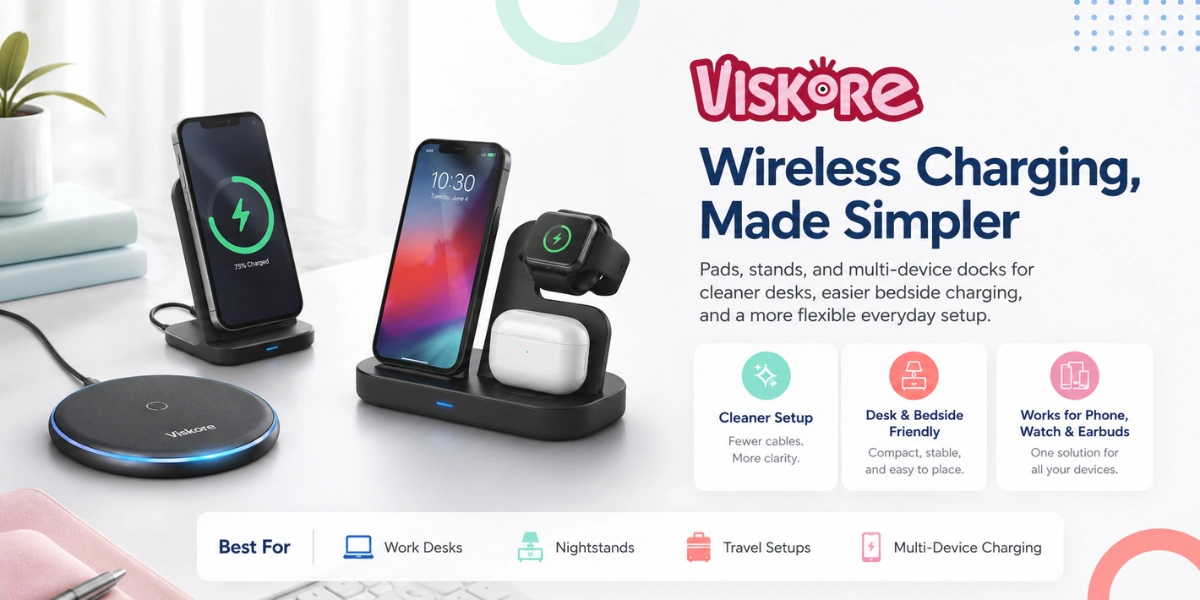
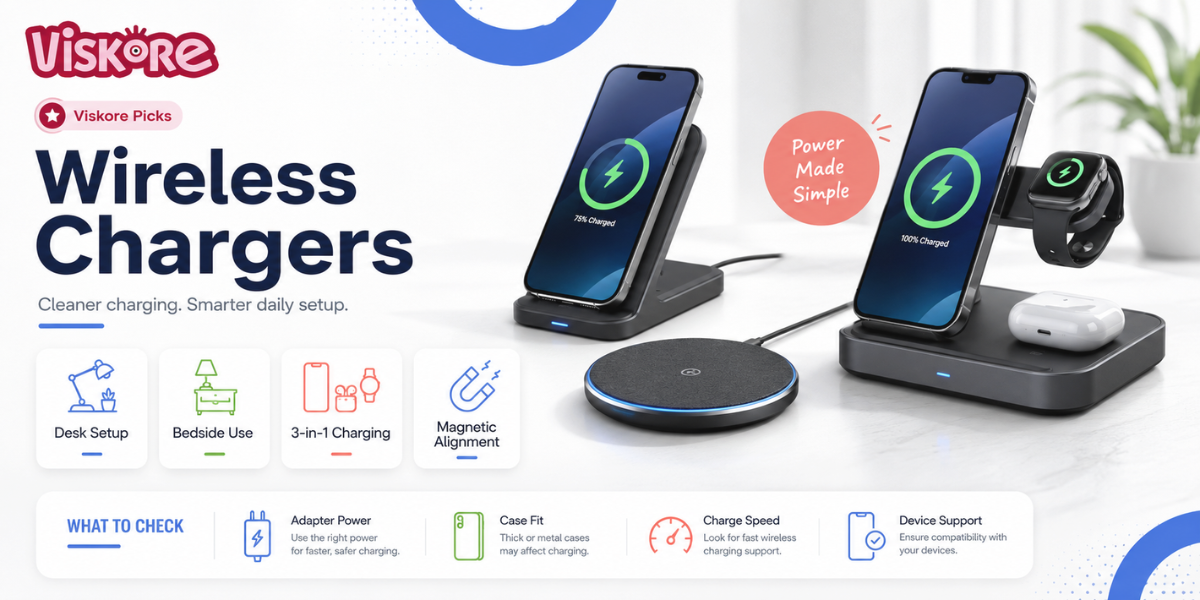
Some people need a simple wireless charging pad. Some need a stand so they can see notifications while working. Some need a multi-device wireless charger for a phone, earbuds, and smartwatch. Some care more about fast wireless charging. Others just want a tidy setup that works every time.
Same category. Very different users.
Power Banks That Fit Real Life, Not Just Spec Sheets
A power bank usually becomes important at the worst possible moment.
Your phone is at 6%. You are outside. The map is open, mobile data is on, and there is no charger nearby. That is when a good power bank stops being “just another accessory” and starts feeling necessary.
At Viskore, this category is not built around empty product claims. It is about helping you choose a power bank that actually fits your day.
Some people need a slim backup for their phone. Some need fast charging before a meeting. Some need enough power for travel, long workdays, or multiple devices.
Same product category. Very different needs.
Start With Where You Charge Most
Before choosing a wireless charger, think about where you will use it.
Your desk? Your bedroom? Your office? Next to the sofa? In a travel bag?
This matters because a wireless charger is a very location-based product. A cable can move around easily. A wireless charger usually becomes part of a setup.
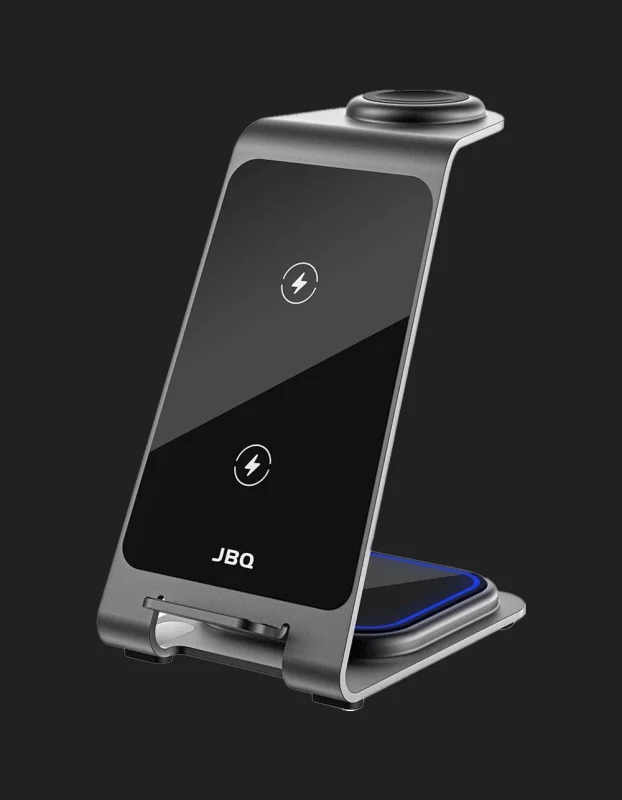
If you want something for your desk, a charging stand may be better because you can still see the screen. If you want something for your bedside table, a flat pad or quiet multi-device dock may feel cleaner. If you travel often, a foldable or compact wireless charger can make more sense.
The right charger depends on the place it will live.
Wireless Charging Is About Convenience First
Let’s be honest. Wireless charging is not always the fastest way to charge a phone.
A strong wired charger can still be faster.
But wireless charging wins in convenience. You do not need to plug the cable in every time. You just place the phone down and let it charge. That sounds small, but when you do it every day, it changes the experience.
This is especially useful for people who charge in short sessions.
You place your phone on the charger while working. Pick it up for a call. Put it back down. Check a message. Place it again. No cable, no port wear, no messy desk.
That is the real value.
Viskore Reviewed Category
Every Wireless Charger Here Is Checked Through the Viskore Score
Wireless chargers can look similar at first glance, but the real difference appears after daily use.
That is why Viskore reviews each product in this category with a practical score system before presenting it to buyers.
We look beyond the clean design. Charging speed, device compatibility, heat behavior, magnetic alignment,
desk usability, build quality, and long-term convenience all matter when a wireless charger becomes part of your routine.
The score is designed to answer one simple question: does this wireless charger actually make daily charging easier,
cleaner, and more reliable?
Category Score Logic
Wireless Charging Evaluation
Active Review
8.9
/10
Example category score based on charging behavior, alignment, safety, build, and everyday usefulness.
Charging Speed
We check if the charger gives useful speed for short daily top-ups.
Device Fit
Phone, earbuds, smartwatch, case thickness, and magnetic support are considered.
Heat Control
Wireless charging warmth is normal, but stable heat behavior matters.
Desk Usability
We check whether it feels clean, stable, easy to place, and useful in real setups.
What Viskore Means by Reviewed
A wireless charger is not judged only by how modern it looks. Viskore checks whether it fits normal charging habits:
placing the phone quickly, charging through everyday cases, keeping the desk cleaner, staying stable, and avoiding unnecessary heat.
Speed
Short top-ups
Fit
Device match
Build
Daily reliability
A Charging Pad Works Best for Simple Setups
A wireless charging pad is the simplest option.
It is flat, clean, and usually easy to place on a desk, table, or bedside area. If you mainly charge one phone and you do not need anything fancy, a pad can be enough.
This type of charger works well for people who want a low-profile setup. It does not stand out too much. It just sits there and does the job.
The only thing to watch is alignment. Your phone needs to sit properly on the charging area. If it shifts too far, charging may slow down or stop.
That is why good design matters more than people think.
A Charging Stand Is Better for Work Desks
A wireless charging stand feels different.
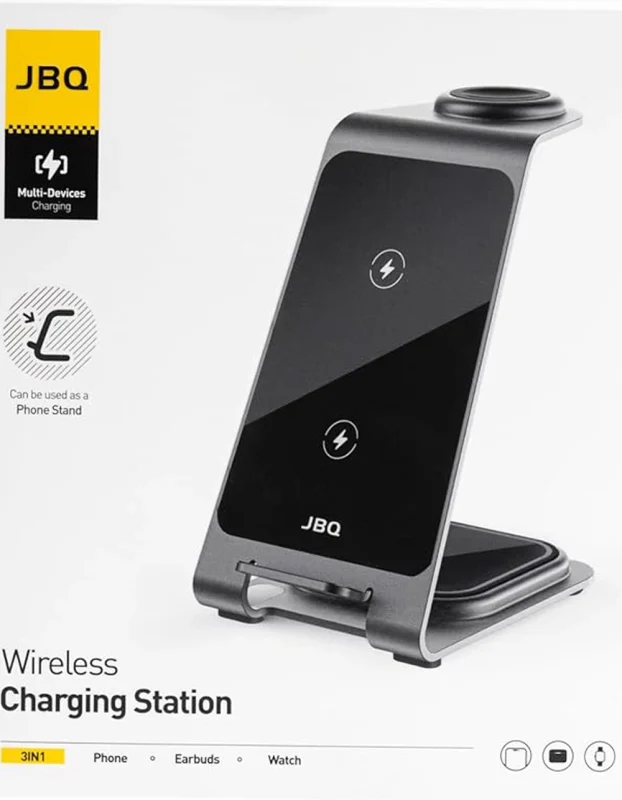
Instead of lying flat, your phone stays upright. That makes it useful for office desks, workstations, reception desks, study tables, and home office setups.
You can see notifications. You can check the time. You can glance at a message without picking up the phone. For video calls, some users also prefer a stand because the phone stays in a more visible position.
If you charge while working, a stand can feel more natural than a pad.
It turns the phone into part of the desk setup, not just something lying face down.
Multi-Device Chargers Are for People Who Hate Cable Mess
A multi-device wireless charger makes sense when your charging area has become crowded.
Phone cable. Watch charger. Earbuds cable. Adapter. Another cable. Maybe a backup charger somewhere behind the table.
It gets messy quickly.
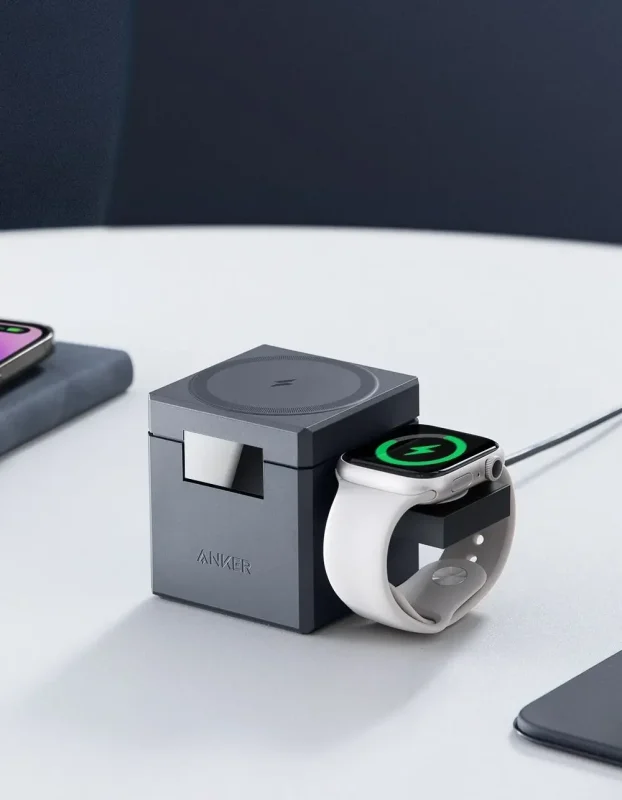
A good multi-device charger can bring everything into one place. Phone, wireless earbuds, smartwatch, sometimes even another phone. This is especially useful for people who use Apple, Samsung, or other device ecosystems where several gadgets need daily charging.
The key is not only how many devices it supports. The real question is whether it charges them cleanly, safely, and without making the setup look worse.
A bad multi-device dock can still create clutter. A good one makes the space feel controlled.
Fast Wireless Charging Needs the Right Match
Fast wireless charging is useful, but it depends on the full setup.
The phone must support it. The wireless charger must support it. The power adapter must be strong enough. Sometimes the cable also matters.
If one part is weak, the charger may still work, but not at the speed you expected.
This is where many people get confused. They buy a fast wireless charger but use an old adapter. Then they wonder why charging feels slow.
For better results, look at the full charging chain. Charger, adapter, cable, and device compatibility all matter.
It is not complicated. It just needs a little attention before buying.
Wireless Charging Match Guide
Find the Wireless Charger That Fits Your Setup
Wireless charging is not only about placing a phone on a pad. The best choice depends on where you charge,
how many devices you use, whether you need fast wireless charging, and how clean you want your desk or bedside setup to feel.
The right wireless charger should match your real charging place, not just the product photo.
Charging
Fast wireless charging
Heat-aware use
Cleaner setup
Desk Setup
For workstations and office desks
A stand-style wireless charger keeps your phone visible while it charges. Useful for calls,
messages, calendar alerts, and quick checks during work.
Bedside Setup
For simple charging overnight
A quiet pad or compact dock works best beside the bed. Look for easy placement, stable charging,
and indicator lights that do not feel too bright at night.
Multi-Device
For phone, earbuds, and watch users
A multi-device wireless charger helps reduce cable mess. The important part is compatibility,
clean layout, and whether every device sits properly while charging.
Travel Friendly
For hotel rooms and compact bags
Travel wireless chargers should be light, easy to pack, and simple to use. A foldable or compact
design often makes more sense than a large desk dock.
Before You Buy
Four details that decide whether a wireless charger feels good after the first week
Device compatibility
Check phone, earbuds, smartwatch, and case support before choosing a wireless charging dock.
Adapter power
A fast wireless charger still needs the right adapter and cable to reach better charging speed.
Heat behavior
Some warmth is normal, but a good charger should stay stable during longer daily charging sessions.
Placement comfort
The charger should make your setup easier, not make you adjust the phone every time you place it.
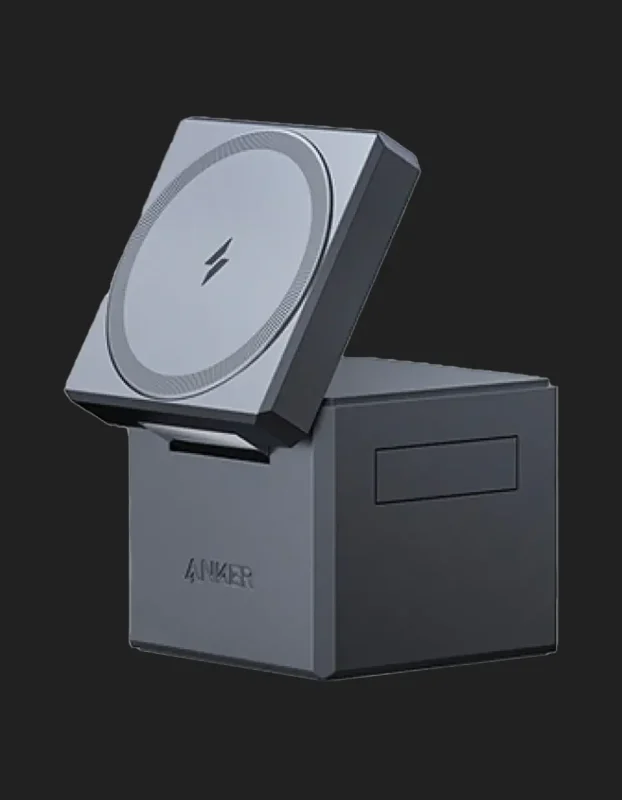
MagSafe and Magnetic Charging Feel More Precise
Magnetic wireless charging is popular for a reason.
It helps the phone snap into the right position. That means better alignment and less guessing. For compatible devices, this can make wireless charging feel smoother and more reliable.
This is especially useful on stands, car mounts, bedside chargers, and compact chargers where placement matters.
A magnetic charger also feels cleaner in daily use. You place the phone, it holds, and you do not keep adjusting it to find the charging spot.
Of course, compatibility matters. Not every phone supports magnetic wireless charging in the same way. Some need a compatible case or magnetic ring.
So before buying, check your device and case setup.
Your Phone Case Can Affect Charging
This is one of the most common things people forget.
A wireless charger may work perfectly, but your phone case can reduce performance. Very thick cases, metal plates, wallet cases, magnetic accessories, and some rugged cases can interfere with wireless charging.
If the charger keeps disconnecting, charging slowly, or heating more than expected, the case may be part of the issue.
For normal slim cases, wireless charging usually works fine. But with heavier cases, it is worth checking.
Small detail. Big difference.
Heat Matters More Than People Think
Wireless charging can create more heat than wired charging because energy transfers through coils.
Some warmth is normal. Too much heat is not ideal.
A good wireless charger should manage heat properly. It should not make the phone feel uncomfortable to touch. It should not keep heating up during long charging sessions. And it should not be placed under blankets, pillows, or closed surfaces where heat cannot escape.
For bedside charging, desk charging, and overnight use, stable heat behavior matters.
This is one reason very cheap wireless chargers can become annoying. They may work, but they may not feel as stable or safe in longer use.
For Bedside Tables, Small Details Matter
A bedside wireless charger should feel calm.
That may sound strange, but it is true.
You do not want bright lights flashing beside your bed. You do not want a charger that makes placement difficult at night. You do not want something too large for a small table.
For bedroom use, a clean pad, quiet stand, or neat multi-device charger usually works best. If it has indicator lights, they should not be too bright.
The best bedside charger is the one you can use half-asleep without thinking too much.
Wireless Charger Care Guide
Small Habits That Keep Your Wireless Charger Working Better
A wireless charger is easy to use, but it still needs the right setup. Heat, dust, poor placement,
weak adapters, thick phone cases, and damaged cables can all make charging slower or less stable.
Viskore Reminder
Wireless charging should feel simple, not careless.
Use the right adapter, keep the surface clean, avoid heat traps, and stop using any charger that behaves strangely.
Safe Charging
Keep surface clean
Avoid trapped heat
Check phone case
Phone Case Check
Thick cases can interrupt wireless charging
Slim cases usually work fine, but thick rugged cases, metal plates, wallet cases, and magnetic accessories
can reduce charging speed or stop charging completely.
Adapter Quality
A weak adapter can make a good charger feel slow
Fast wireless charging depends on the charger, cable, adapter, and phone. If the adapter is too weak,
the charger may work, but not at the speed you expected.
Heat Warning
Do not charge under pillows or covered surfaces
Wireless chargers can get warm during use. Use them on an open, flat surface where heat can escape.
Avoid blankets, pillows, mattresses, and closed drawers while charging.
Cleaning Habit
Dust and small debris can affect placement
Keep the charging pad clean and dry. Dust, crumbs, small metal items, or sticky surfaces can make placement
less reliable and may create unnecessary heat.
Stop Using It If You Notice This
Warning signs that should not be ignored
Unusual heat
If the charger or phone becomes too hot to touch, unplug it and let it cool.
Burning smell
Any burning smell, smoke, or strange electrical odor means the charger should not be used.
Cracked body
A cracked pad, loose port, exposed cable, or damaged adapter should be replaced.
Random disconnects
If charging keeps starting and stopping, check alignment, case thickness, adapter, and cable condition.
Simple Care Checklist
Use it the way a charger should be used: open, clean, stable, and matched to your device.
A wireless charger should make charging easier, not create new problems. Most issues come from small habits:
charging on soft surfaces, using weak adapters, ignoring case thickness, or letting dust build up on the pad.
Use a stable adapter with enough output for your wireless charger.
Place the charger on a hard, open surface with airflow around it.
Remove metal plates, cards, coins, or magnetic accessories before charging.
Wipe the charging surface with a soft dry cloth when dust builds up.
For Office Use, Visibility Is Useful
At work, charging is not only about battery.
It is also about how the phone sits in your workspace.
A stand-style wireless charger can keep your screen visible. That helps if you use your phone for messages, calls, calendar reminders, authentication codes, delivery updates, or quick checks during the day.
It also keeps your desk cleaner because you are not pulling a cable across your keyboard or mouse area.
For office users, a charger that looks clean and stays stable on the desk can be more valuable than one that only focuses on speed.
For Travel, Compact Design Wins
Travel wireless chargers need to be simple.
A large charging dock may look nice at home, but it can be annoying in a travel bag. A compact wireless pad or foldable charger is usually better for hotel rooms, work trips, and short travel.
If you carry multiple devices, a foldable multi-device charger can be useful. But it should still be light, easy to pack, and not require too many separate cables.
The whole point is to make travel charging easier, not bring a whole charging station with you.
For Earbuds and Watches, Check Compatibility
Many wireless chargers support phones, but not all support earbuds or smartwatches properly.
Earbuds are usually easier. Many wireless charging cases work on standard charging pads. Smartwatches are different. Some need a specific charging area or brand-compatible module.
Before buying a multi-device wireless charger, check exactly what it supports.
A charger that says “3-in-1” is only useful if it matches your actual devices.
Do not buy for the layout. Buy for compatibility.
Cheap Wireless Chargers Can Feel Expensive Later
A low-priced wireless charger can look like a smart deal.
Sometimes it is. But not always.
The problems usually show up later. Slow charging. Weak alignment. Extra heat. Cheap materials. Unstable connection. A charger that moves around every time you pick up the phone.
None of these are dramatic at first. But they become annoying because wireless charging is something you use often.
A better wireless charger should feel stable, predictable, and easy to use every day.
That is real value.
Wireless Charging Reality Check
When Wireless Charging Makes Sense, and When It Does Not
A wireless charger is not always about maximum speed. It is about reducing small daily friction:
fewer cables, cleaner spaces, easier phone placement, and a setup that feels natural after a few days of use.
Real daily behavior
The phone comes and goes all day
Most people do not charge their phone only once. They place it down, pick it up, answer a message,
move to another room, come back, check a call, and place it again. Wireless charging fits this pattern better
than constantly plugging and unplugging a cable.
09:20
Desk top-up
13:10
Quick call break
18:40
Bedside charging
Aligned
Better for short top-ups
Cleaner desk setup
Less cable wear
Quick Comparison
Wireless charging is not better at everything. It is better at the right things.
Works well for
Desk charging while working
Bedside charging without cable hunting
Phone users who top up several times a day
Clean setups with fewer visible cables
Magnetic charging when alignment matters
Check before buying
Very thick cases may reduce charging performance
Old adapters can limit charging speed
Some watches need brand-specific charging support
Flat pads need better phone alignment
Wireless charging may be slower than strong wired charging
Desk People
A stand charger keeps the phone visible for calls, messages, two-factor codes, and quick work checks.
Bedside Users
A simple pad or quiet dock is easier at night, especially when the cable always seems to fall behind the table.
Multi-Device Setups
A 2-in-1 or 3-in-1 charger can clean up phone, earbuds, and watch charging if compatibility is correct.
Minimal Setups
A compact charger is enough when you just want one clean spot where your phone charges without cable clutter.
Viskore Practical Take
The best wireless charger is the one that removes friction from your actual routine. If it keeps your desk cleaner,
makes bedside charging easier, works with your case, and matches your device setup, it is doing the job.
Convenience
Clean Setup
Speed Priority
What Viskore Looks For in Wireless Chargers
At Viskore, wireless chargers are not judged only by how clean they look.
A nice design matters, but the daily experience matters more.
We look at charging speed, device compatibility, build quality, heat behavior, alignment, portability, desk fit, and whether the charger actually solves a real problem.
For a charging pad, placement and simplicity matter.
For a stand, stability and viewing angle matter.
For a multi-device charger, layout and compatibility matter.
For fast wireless charging, the full setup matters.
The goal is simple: help you choose a wireless charger that feels useful after the first week, not just attractive on the product page.
Choose Based on the Way You Charge
The best wireless charger is not always the fastest one.
It is the one that fits your charging habit.
If you charge at your desk, get something visible and stable. If you charge beside your bed, get something calm and easy to place. If you charge several devices, choose a proper multi-device setup. If you travel, keep it compact. If you care about fast top-ups, check compatibility before buying.
Once you understand where and how you charge, the right wireless charger becomes much easier to choose.
A good wireless charger should quietly improve your routine.
No cable hunting. No messy desk. No guessing. Just place the device down and keep moving.