
Blog
Best Portable Power Stations in UAE 2026

Buying a portable power station sounds simple until you start comparing models. One has a bigger battery, another has more output, and a third promises faster charging. Then you notice the weight, battery chemistry, solar input and number of sockets, and suddenly the choice is not so obvious.
Let’s make this easier.
The best portable power station is not automatically the largest or most expensive one. It is the model that can comfortably power the devices you actually use without forcing you to carry around a battery the size of a suitcase.
For someone working from a laptop during a short power interruption, a compact 300Wh unit may be enough. For a family that wants to keep a refrigerator, router, lights and a few other essentials running, something closer to 1,000Wh or 2,000Wh makes much more sense.
This guide explains what those numbers mean, how much different models usually cost in the UAE and what using one is actually like.
What Is a Portable Power Station?
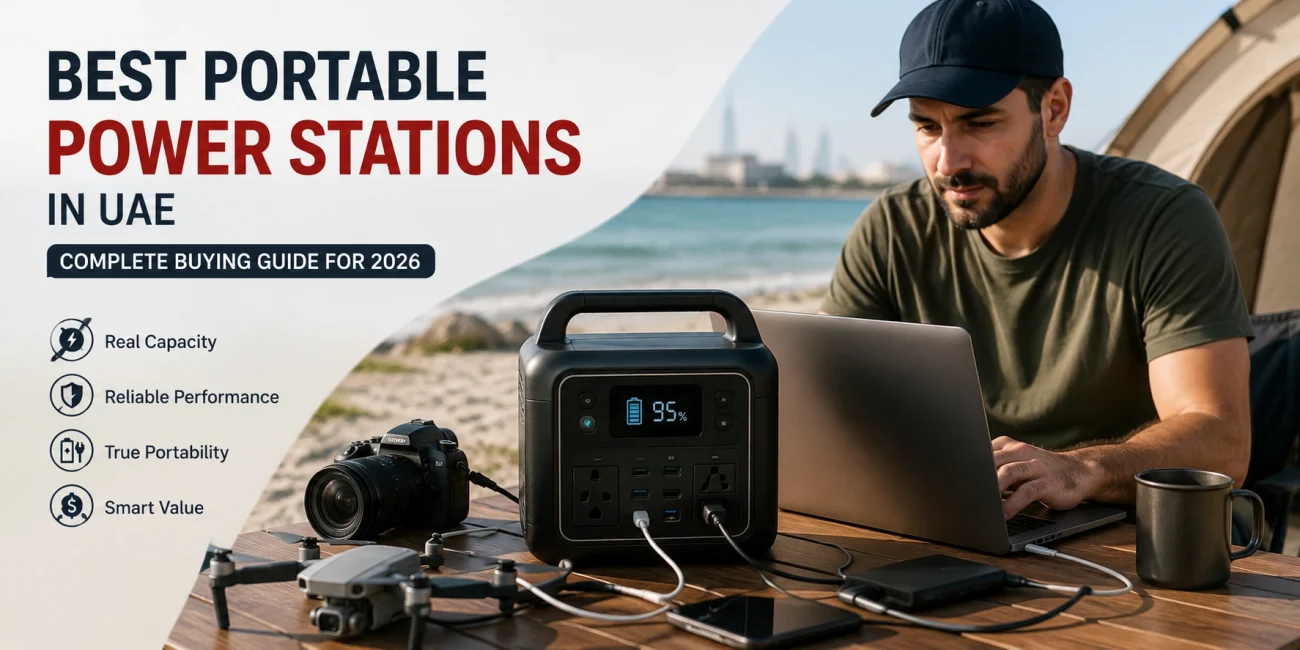
A portable power station is basically a large rechargeable battery with several ways to connect your devices. Depending on the model, it may include standard AC sockets, USB Type C ports, USB A ports and a 12V car outlet.
Unlike a petrol generator, it does not burn fuel or produce exhaust fumes. You charge it from a wall socket, a compatible solar panel or sometimes a vehicle outlet, then use the stored electricity whenever you need it.
That makes it useful inside apartments, bedrooms, offices, tents and vehicles. There is no engine to start and no fuel to store. You press the power button, connect the device and check the remaining runtime on the screen.
The silence is one of the first things people notice. A cooling fan may switch on when the load becomes heavy or the battery is charging quickly, but most of the time the unit is far quieter than a traditional generator.
Portable Power Station Price Comparison
Compare battery capacity, AC output, UAE pricing and practical value to find the right portable power station for travel, outdoor use or home backup.
| Model | Capacity | AC Output | Price | Cost per Wh | Best For | Value Rating |
|---|---|---|---|---|---|---|
| Anker SOLIX C200 DC Compact Use | 192Wh | 200W | AED 520 | AED 2.71 | Phones, cameras, routers and light travel use | ● Good Value |
| Anker SOLIX C300 DC Portable Pick | 288Wh | 300W | AED 725 | AED 2.52 | Camping, laptops and small device backup | ● Good Value |
| Anker SOLIX C300 AC Option | 288Wh | 300W | AED 999 | AED 3.47 | Compact backup with standard AC sockets | ◐ Fair Value |
| Anker 535 PowerHouse Balanced Choice | 512Wh | 500W | AED 1,199 | AED 2.34 | Weekend trips, laptops and essential electronics | ● Good Value |
| Anker SOLIX C800 Mid Range | 768Wh | 1,200W | AED 2,400 | AED 3.13 | Outdoor equipment and medium household appliances | ◐ Fair Value |
| Anker SOLIX C1000 Best Overall | 1,056Wh | 1,800W | AED 1,699 | AED 1.61 | Home backup, camping and higher-power appliances | ★ Best Value |
| Anker SOLIX C2000 Gen 2 High Capacity | 2,048Wh | 2,400W | AED 3,199 | AED 1.56 | Longer home backup and demanding equipment | ★ Best Value |
| EcoFlow DELTA 3 Ultra Plus Premium Backup | 3,072Wh | 3,600W | AED 5,999 | AED 1.95 | Large appliances, RV use and expandable backup | ● Strong Value |
| EcoFlow DELTA Pro 3 Top Tier | 4,096Wh | 4,000W | AED 8,400 | AED 2.05 | Premium home backup and off-grid energy storage | ◆ Premium Choice |
Note: Value ratings consider price, battery capacity, AC output and practical use. Prices may change depending on availability and current promotions.
Start With What You Need to Power
Before looking at brands, write down the devices you want to run.
Assume you only need to keep a WiFi router, two phones and a laptop working during a short interruption. That setup does not need a massive home backup system. A smaller model in the 200Wh to 500Wh range should normally be the more practical choice.
Now assume you want to run a refrigerator, television, several lights and your internet equipment. The required capacity and output increase quickly. A 1,000Wh model becomes more reasonable, while a 2,000Wh or larger system provides a better safety margin for longer interruptions.
There are two numbers you need to understand here: watt hours and watts.
Watt hours show how much energy the battery stores. Watts show how much power the station can deliver at one time.
A station may have enough battery capacity to run an appliance for several hours but still be unable to start it if the appliance requires more output than the inverter can provide.
That distinction matters with kettles, coffee machines, hair dryers, microwave ovens, refrigerators and power tools.
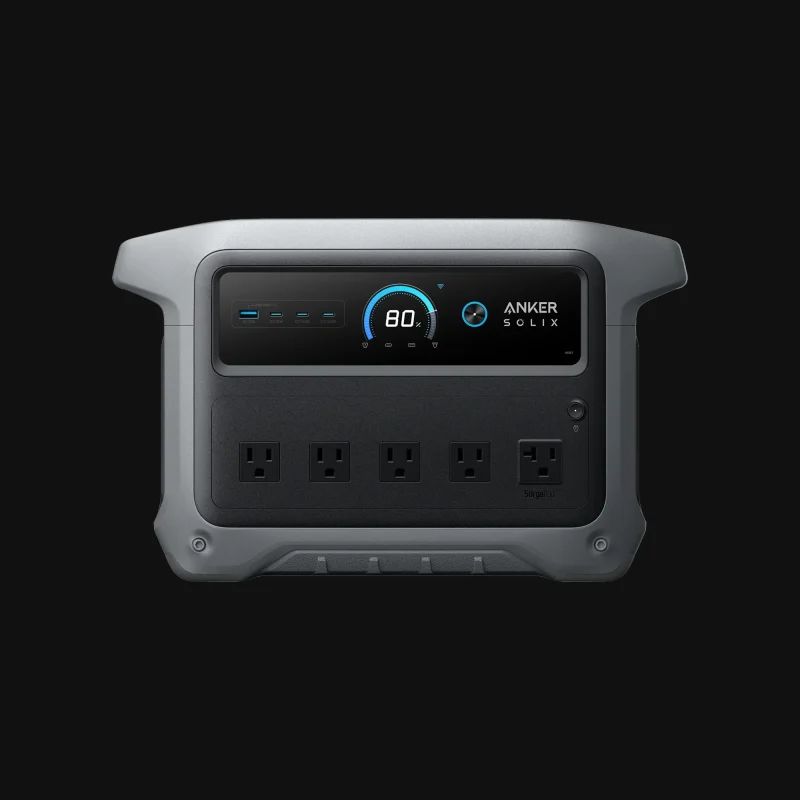
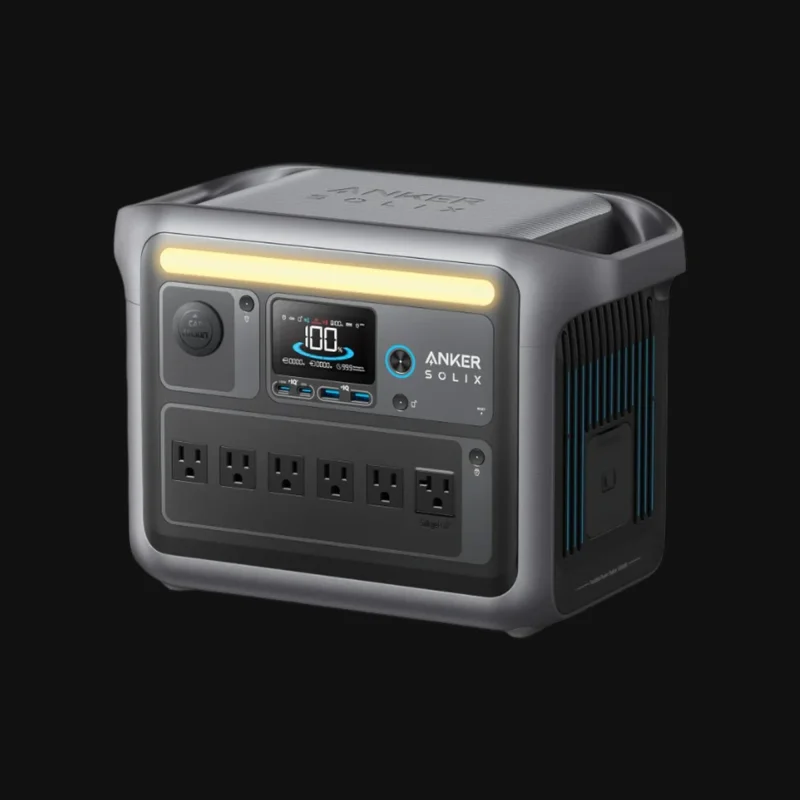
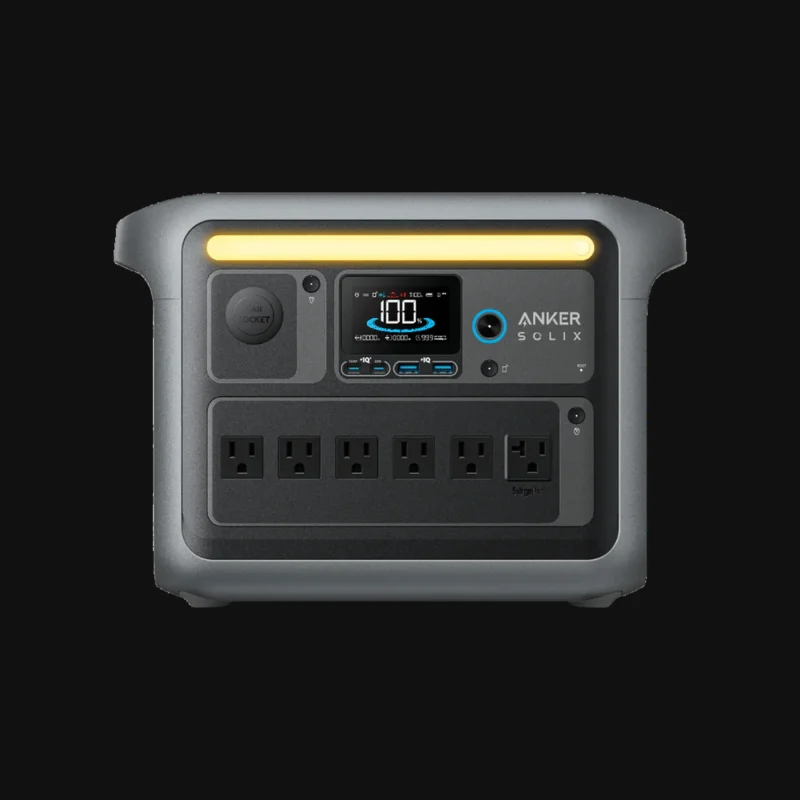
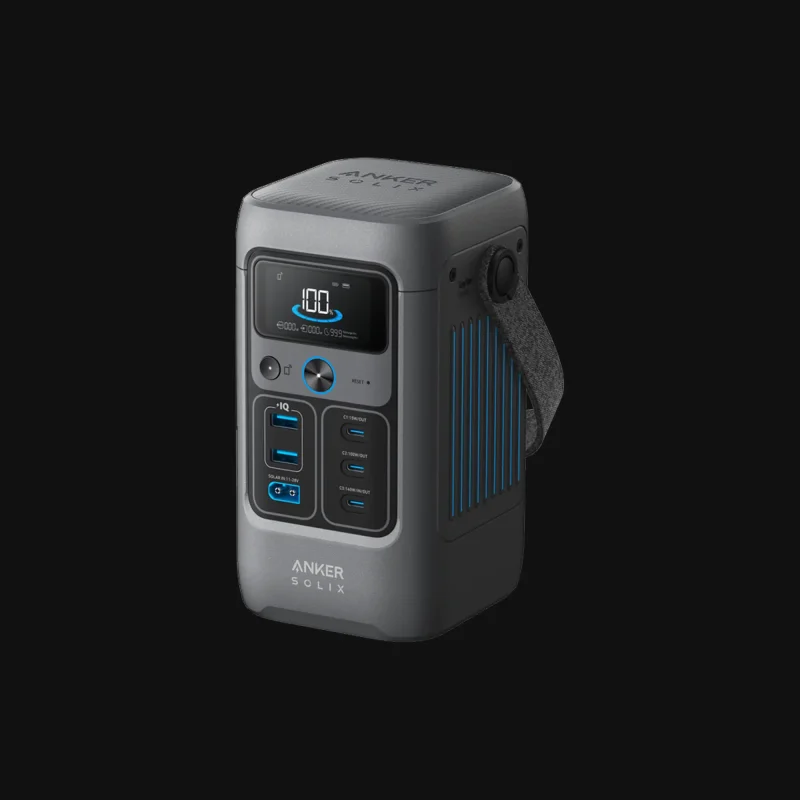
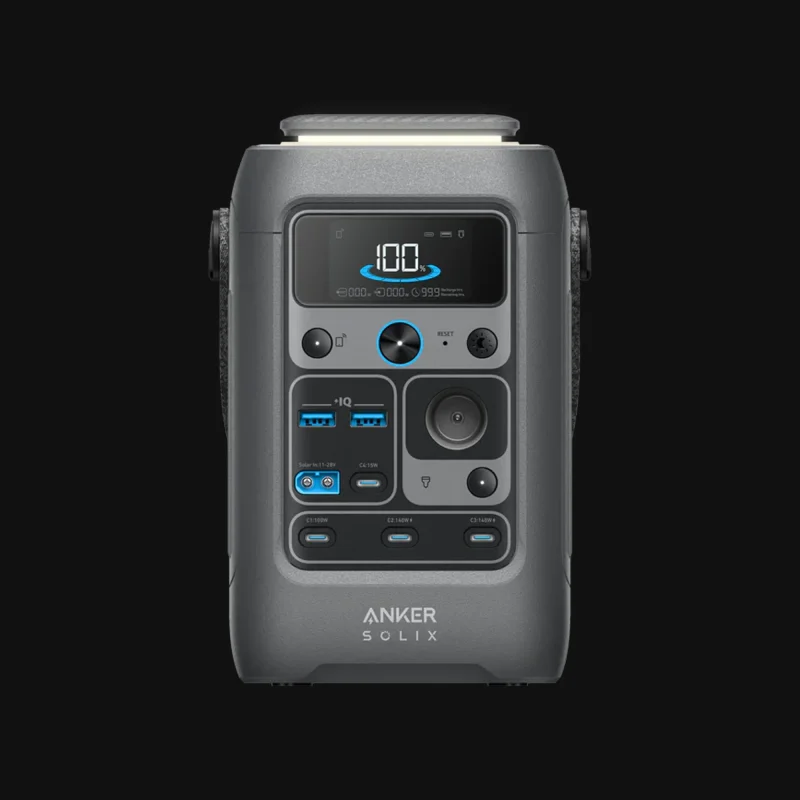
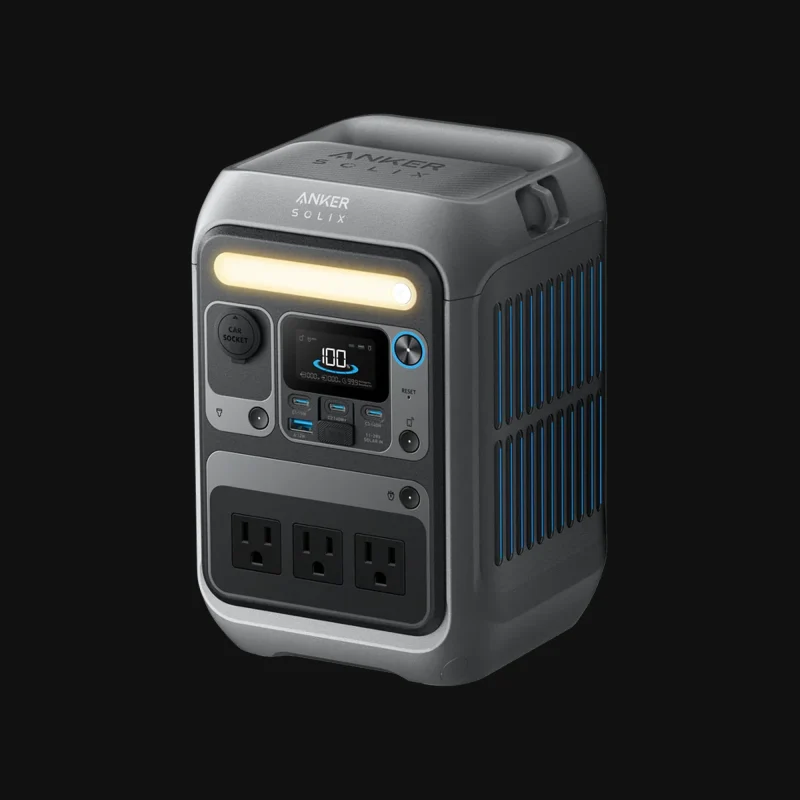
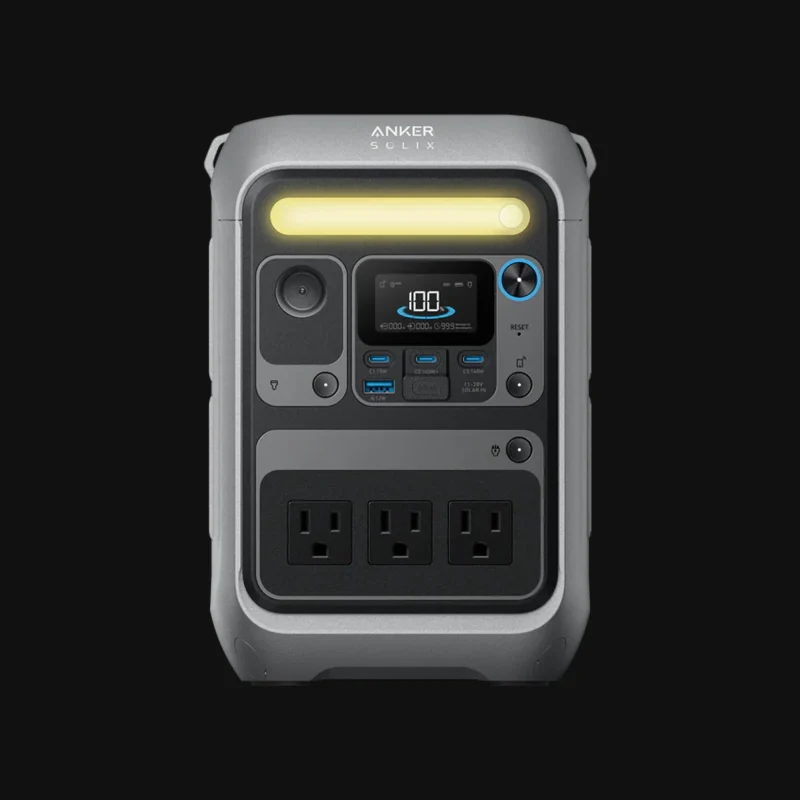
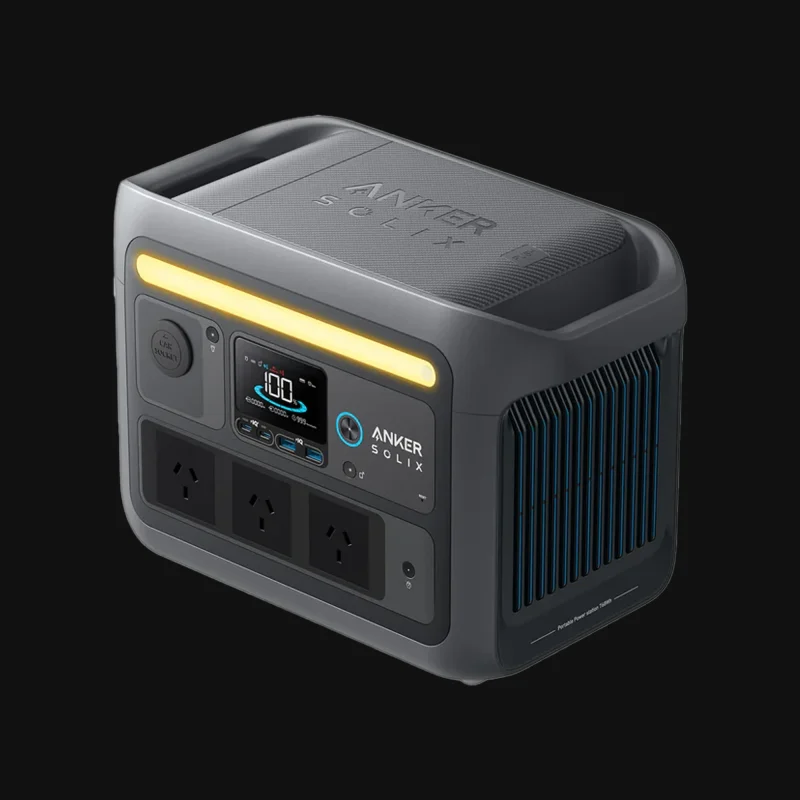
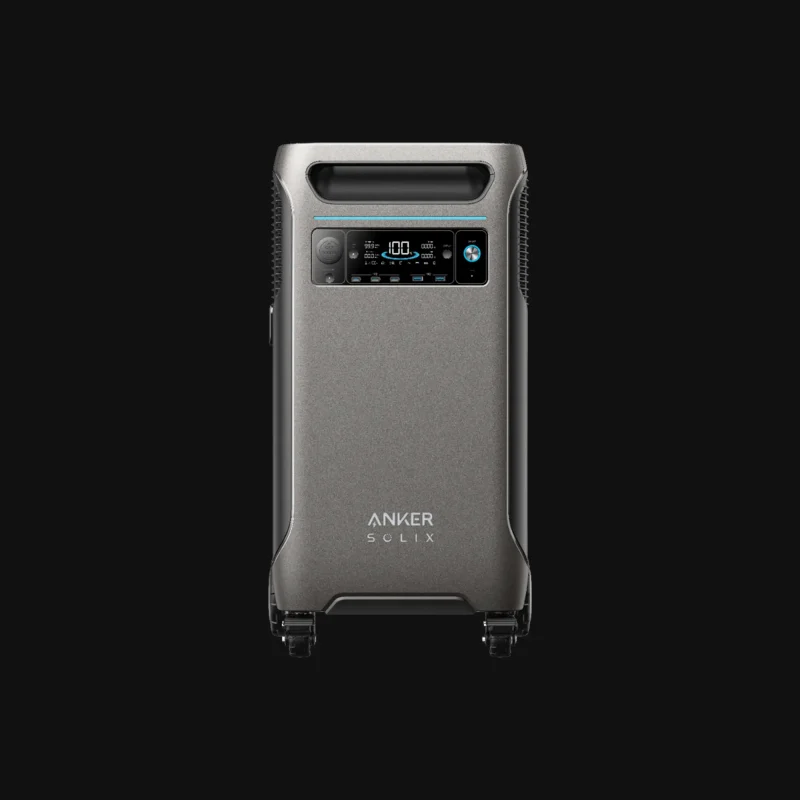
How Much Capacity Is Enough?
A compact unit below 300Wh is mainly suited to phones, tablets, cameras, routers, LED lighting and some laptops. It is easy to move and useful for short trips, desk work or light emergency use.
A model between 500Wh and 800Wh offers more flexibility. It can support several smaller devices together and may handle selected appliances, provided their power demand stays below the station’s output limit.
Around 1,000Wh is where portable power stations begin to feel like serious backup equipment. You can keep essential electronics running longer and connect higher powered appliances, depending on the inverter rating.
Units above 2,000Wh are designed for heavier home backup, outdoor events, RV use and longer off grid setups. They store far more energy, but they also take up more room and weigh considerably more.
Bigger is useful, but it is not always better. A heavy station that stays in a cupboard because nobody wants to move it is not very portable.
Realistic Portable Power Station Prices in the UAE
Portable power station prices in the UAE vary widely because a small travel unit and a large expandable home backup system are completely different products.
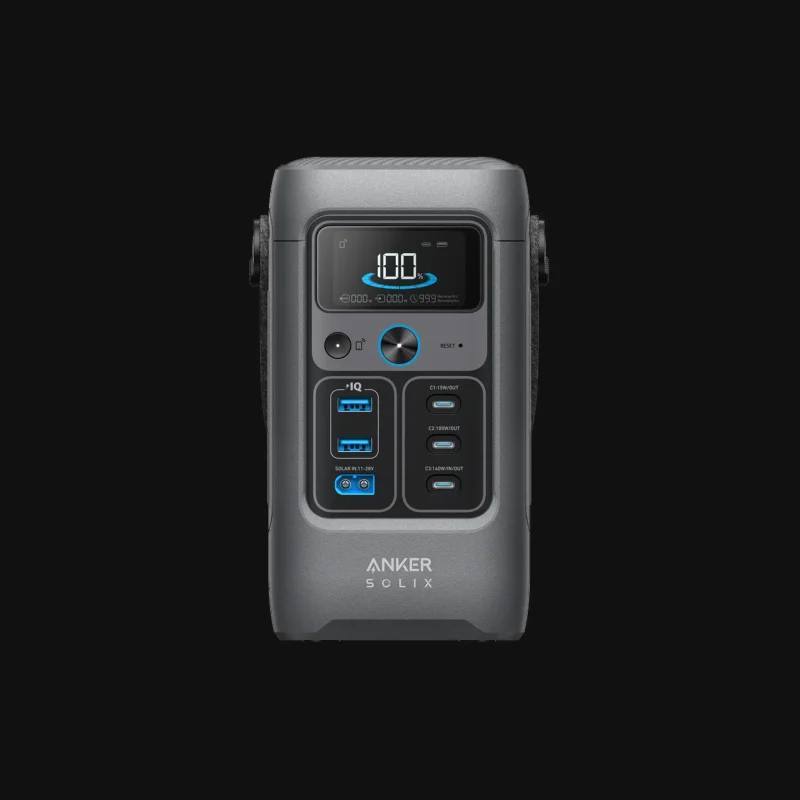
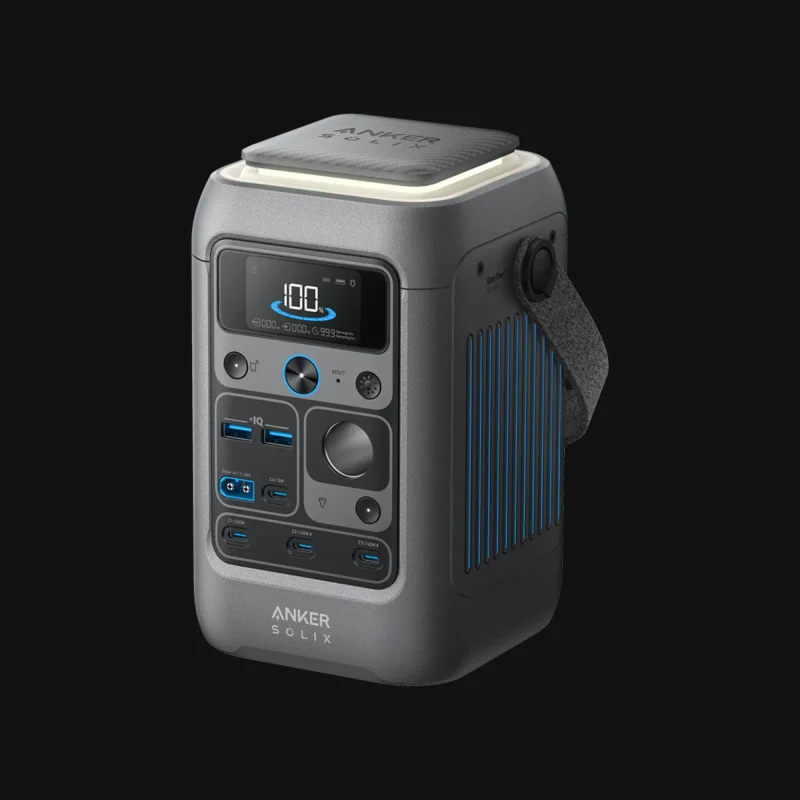
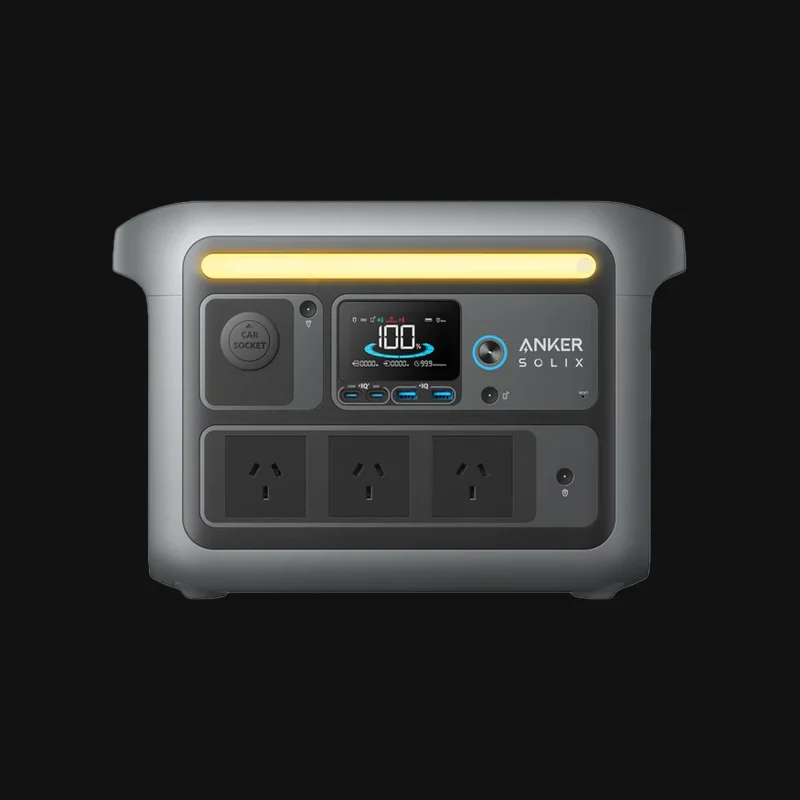
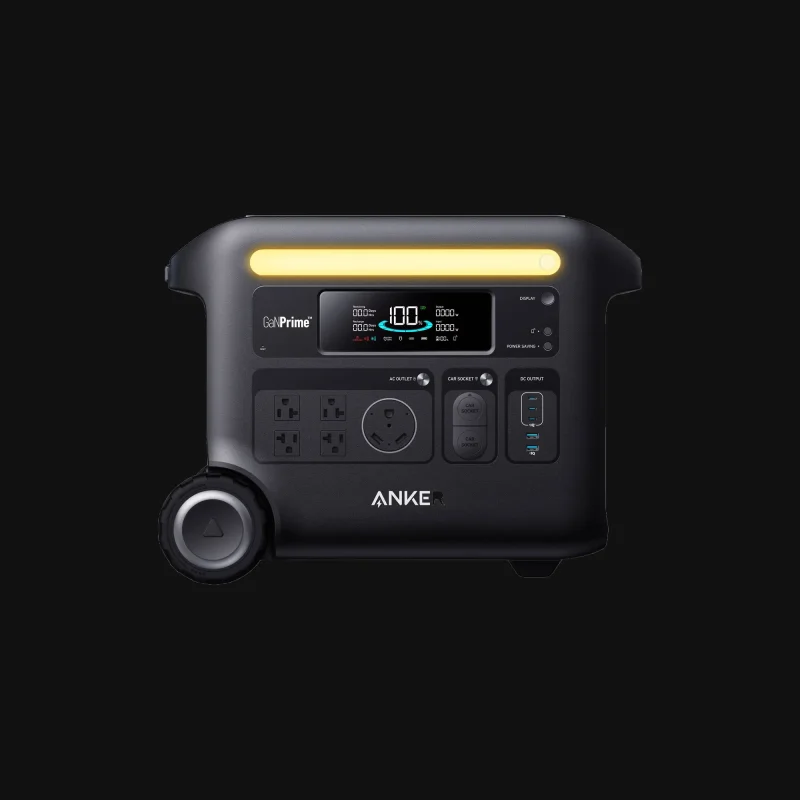
At the more compact end, the Anker SOLIX C200 DC offers a 192Wh capacity and 200W output at around AED 520 on Viskore. The Anker SOLIX C300 DC increases that to 288Wh and 300W for around AED 725. These models make sense for charging electronics, supporting a router or handling light camping needs.
The AC version of the Anker SOLIX C300 is listed at around AED 999. It has a 288Wh battery and 300W output, making it a practical middle ground for buyers who want standard plug sockets without moving to a much larger unit.
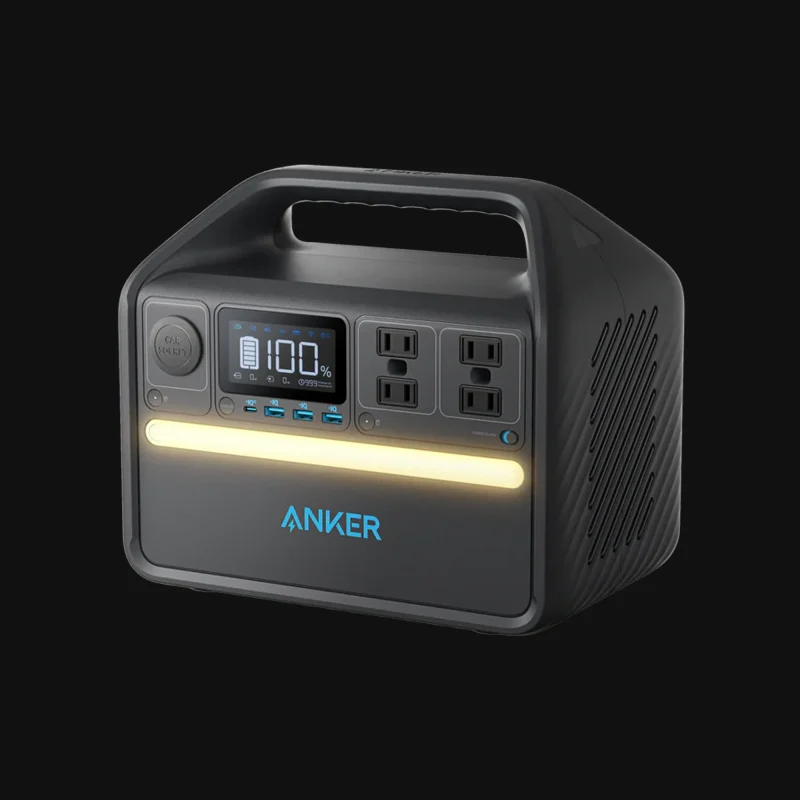
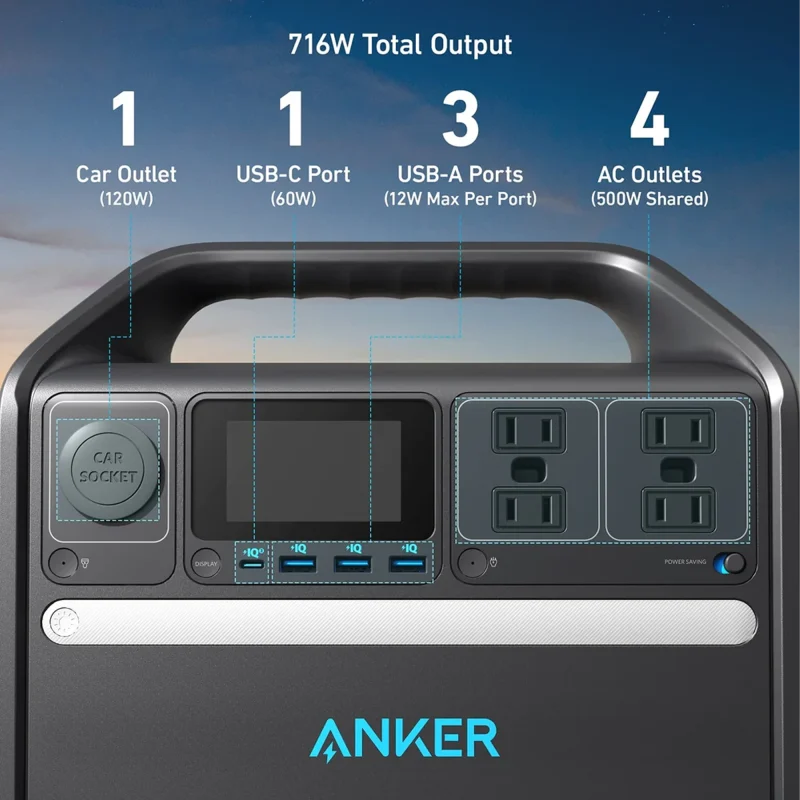
The Anker 535 PowerHouse sits around AED 1,199 with a 512Wh battery and 500W output. At this size, you get noticeably more runtime while the station remains manageable enough for travel and occasional home backup.
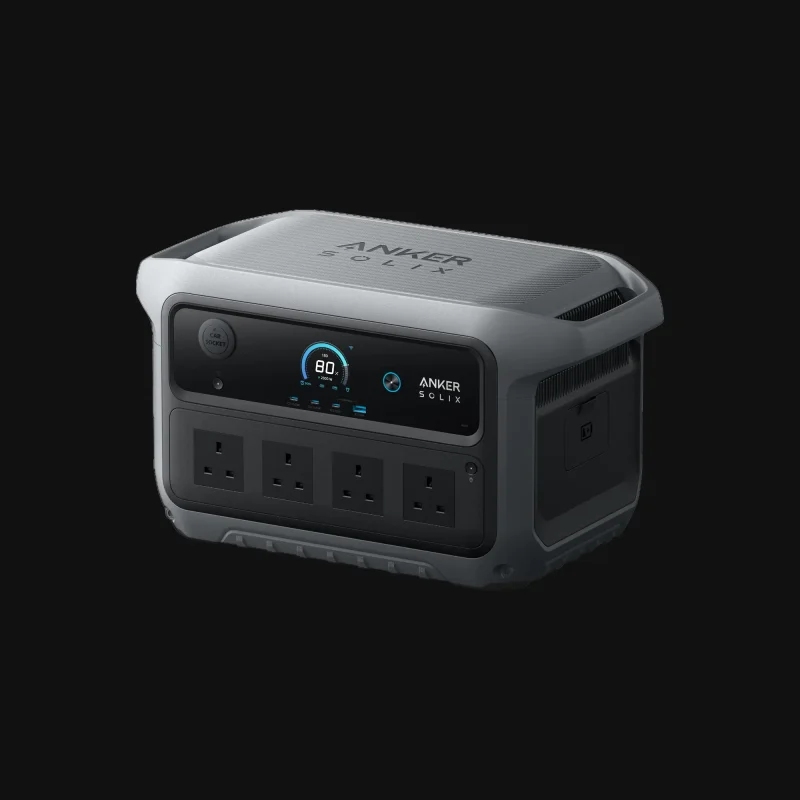
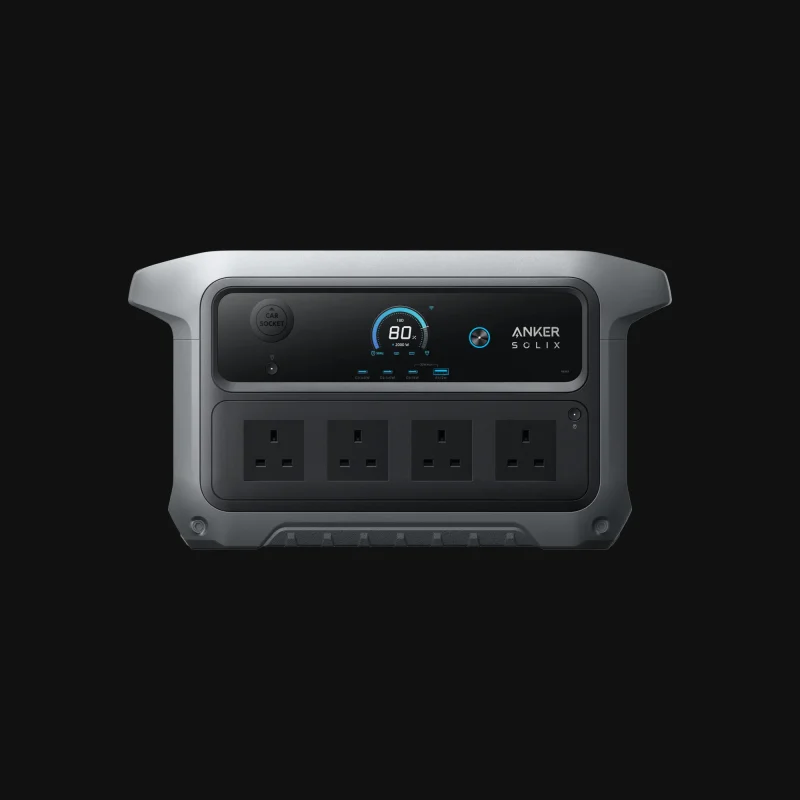
For more demanding use, the Anker SOLIX C1000 is listed at around AED 1,699 with a 1,056Wh battery and 1,800W output. The newer C1000 Gen 2 is around AED 1,999 and raises the output to 2,000W. These are much more suitable for buyers who want to support kitchen appliances, work equipment or several essential household devices.
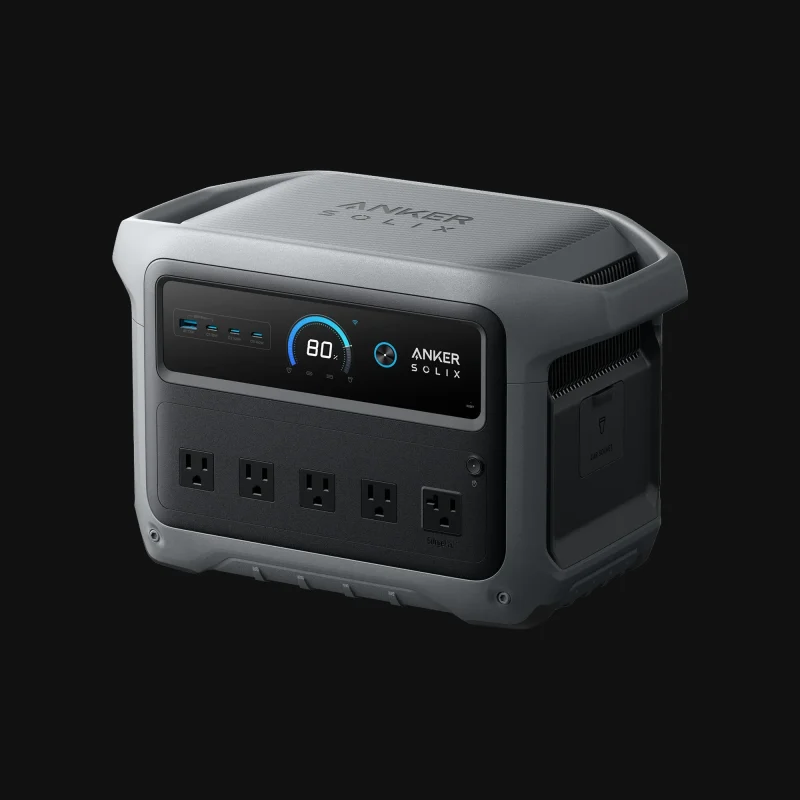
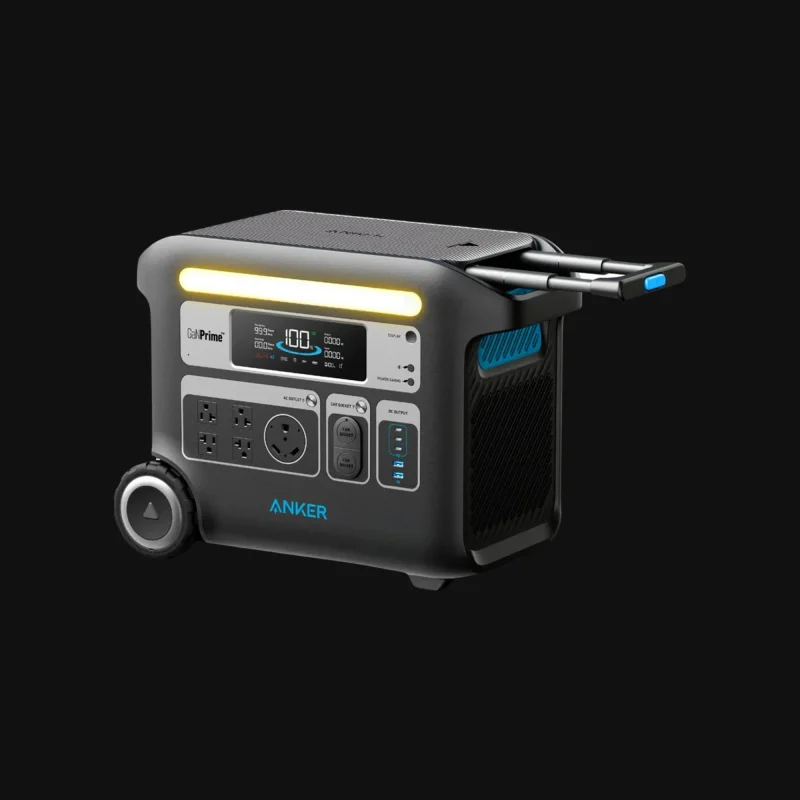
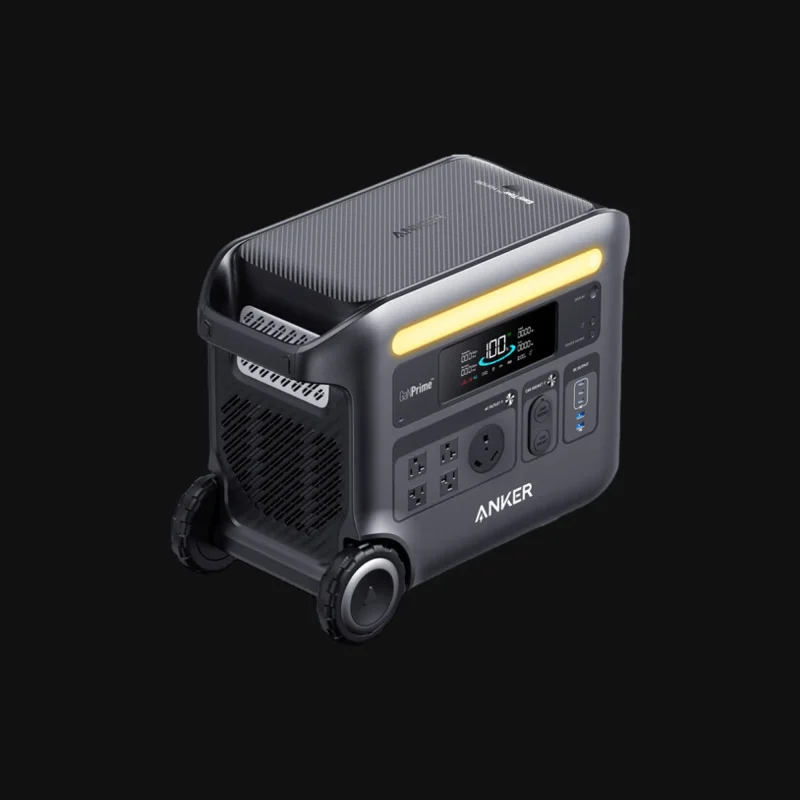
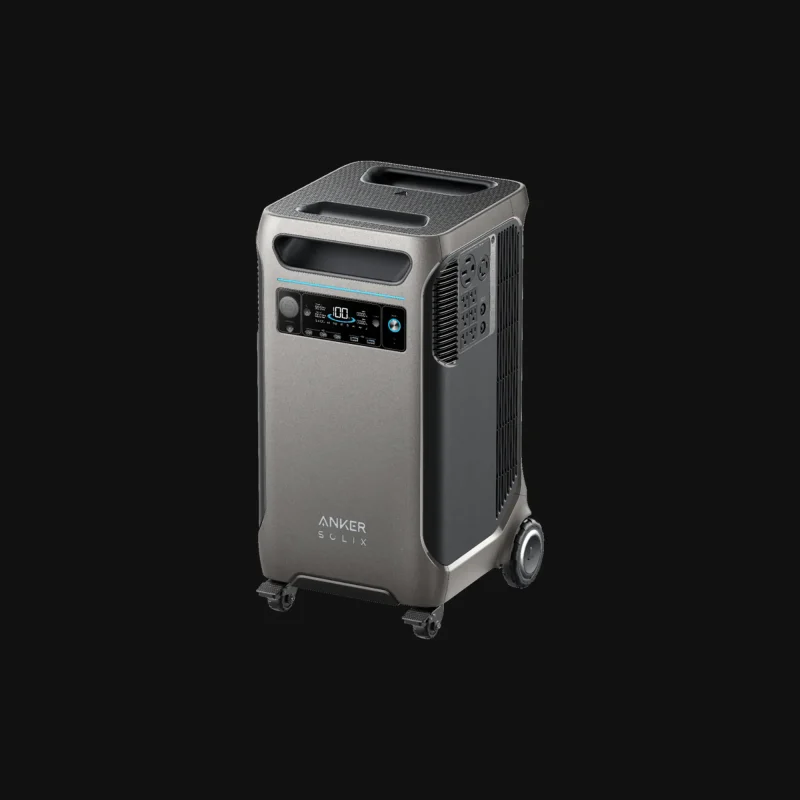
Moving further up, the Anker SOLIX C2000 Gen 2 offers 2,048Wh and 2,400W output for around AED 3,199. The Anker SOLIX F2000 is listed at approximately AED 3,599. These models are aimed at longer backup periods and heavier electrical loads.
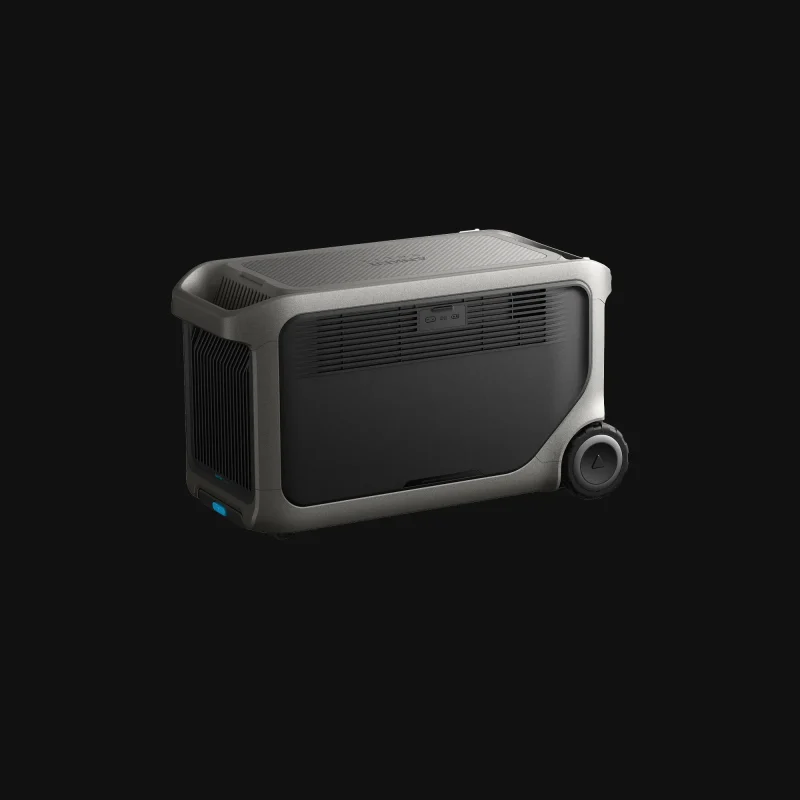
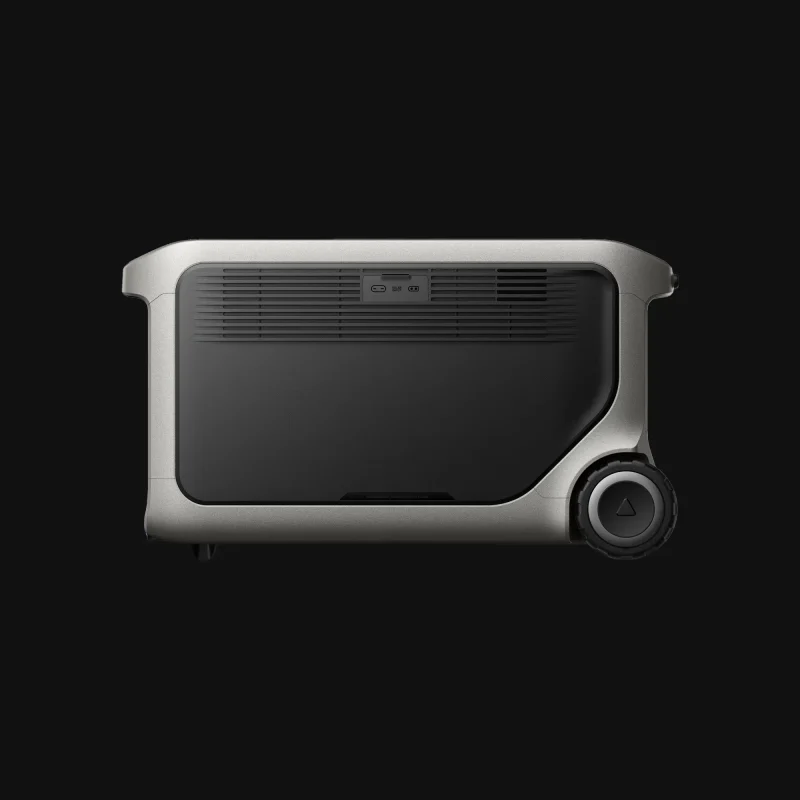
Large EcoFlow systems occupy the premium end of the range. The EcoFlow DELTA 3 Ultra Plus is listed at around AED 5,999 with a 3,072Wh battery and 3,600W AC output. The EcoFlow DELTA Pro 3 reaches 4,096Wh and 4,000W output at around AED 8,400, while the earlier DELTA Pro is listed at approximately AED 10,999.
So, what should you expect to spend? For light use, roughly AED 500 to AED 1,200. For a capable mid sized backup station, around AED 1,600 to AED 3,600. For high capacity and expandable home backup, prices can move beyond AED 5,000.
Why LiFePO4 Batteries Matter
Battery chemistry is easy to ignore because it is not as visible as capacity or output. Still, it affects how long the power station may remain useful.
Many newer Anker and EcoFlow models use lithium iron phosphate batteries, usually written as LiFePO4 or LFP. These batteries are known for long cycle life, good thermal stability and better suitability for products that may be charged and discharged regularly.
Batteries still lose capacity over time. That is normal. The important point is how many charge cycles the battery is designed to complete before its usable capacity drops noticeably.
For someone planning to use a station only during occasional outages, almost any established model may last for years. For frequent camping, mobile work or daily solar charging, battery cycle life deserves much more attention.
What Using One Feels Like in Real Life
On paper, portable power stations look like large power banks. In actual use, the experience depends heavily on the size you buy.
A compact station is easy. You place it beside the desk, connect the laptop and router and barely think about it. It can be moved between rooms without much effort and stored on a shelf when it is not needed.
A 1,000Wh model feels more substantial. It is still portable, but you probably will not carry it casually for long distances. The extra weight feels justified when you realise it can support equipment that smaller units cannot handle.
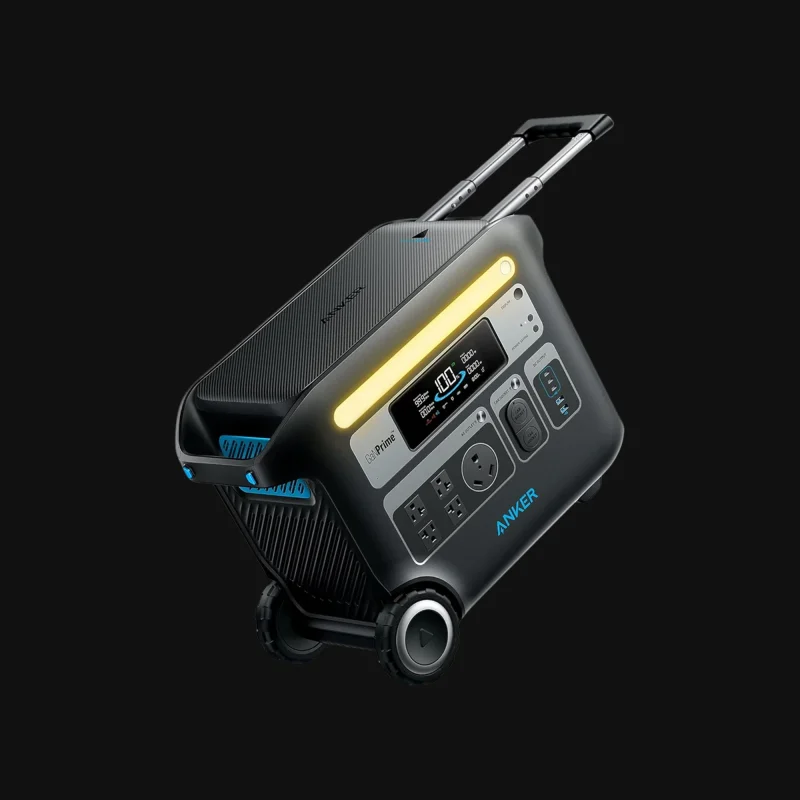
Large 2,000Wh to 4,000Wh systems are different. They are technically portable because they have handles or wheels, but they behave more like movable home energy systems. You choose a sensible position for them and avoid moving them unless necessary.
Another practical detail is fan noise. Under a light load, many stations remain quiet. Connect a demanding appliance or start fast charging, and the cooling fan may become clearly audible. It is rarely unbearable, but it matters if the unit will sit beside your bed or work desk.
Read More: Buy Power Station
Solar Charging in the UAE
Solar charging sounds especially attractive in the UAE because sunlight is widely available. The basic idea works well, but expectations need to stay realistic.
A solar panel does not usually charge at its advertised maximum output all day. The angle of the panel, temperature, cloud cover, dust and shading all affect performance. Even a narrow shadow across part of the panel can reduce the charging rate.
For camping or off grid use, solar charging can extend the time you stay away from a wall outlet. For home emergencies, it provides another way to recharge essential equipment. It should not be treated as guaranteed instant charging.
Check the station’s maximum solar input before buying a panel. A very powerful panel will not force a small station to accept more energy than its input limit allows.
What Can Each Power Station Actually Run?
This table estimates how many times each power station can charge common devices and how long it may run selected household equipment. It is designed to make the battery capacity easier to understand in normal daily use.
| Power Station | Usable Energy | Phone Charges | Laptop Charges | WiFi Router | 50W TV | 120W Fridge | Best Practical Use |
|---|---|---|---|---|---|---|---|
| Anker SOLIX C200 DC Light Duty | Approx. 163Wh | About 10 times | About 2.7 times | About 13.5 hours | About 3.2 hours | Not recommended |
Phone and Laptop Best for phones, cameras, tablets, routers and short laptop backup. |
| Anker SOLIX C300 DC Portable Use | Approx. 245Wh | About 16 times | About 4 times | About 20 hours | About 4.9 hours | Limited use |
Camping Pick Suitable for camping, laptops, mobile devices and small electronics. |
| Anker SOLIX C300 Compact AC | Approx. 245Wh | About 16 times | About 4 times | About 20 hours | About 4.9 hours | Limited use |
AC Socket Use Better for users who need standard plug sockets in a compact unit. |
| Anker 535 PowerHouse Medium Backup | Approx. 435Wh | About 29 times | About 7 times | About 36 hours | About 8.7 hours | About 3.6 hours |
Weekend Trips Useful for travel, office equipment and several essential devices. |
| Anker SOLIX C800 Outdoor Power | Approx. 653Wh | About 43 times | About 10 times | About 54 hours | About 13 hours | About 5.4 hours |
Outdoor Equipment Handles TVs, laptops, lighting and selected medium-power appliances. |
| Anker SOLIX C1000 Best Overall | Approx. 898Wh | About 59 times | About 14 times | About 74 hours | About 18 hours | About 7.5 hours |
Home and Camping Strong all-round choice for home backup, camping and appliances. |
| Anker SOLIX C2000 Gen 2 High Capacity | Approx. 1,741Wh | About 116 times | About 29 times | About 145 hours | About 34 hours | About 14.5 hours |
Long Home Backup Suitable for longer outages, appliances and demanding equipment. |
| EcoFlow DELTA 3 Ultra Plus Heavy Duty | Approx. 2,611Wh | About 174 times | About 43 times | About 217 hours | About 52 hours | About 21.7 hours |
Large Appliances Built for large appliances, RV use and longer off-grid operation. |
| EcoFlow DELTA Pro 3 Premium Backup | Approx. 3,482Wh | About 232 times | About 58 times | About 290 hours | About 69 hours | About 29 hours |
Whole-Home Essentials Best suited to premium home backup and extended energy storage. |
Important: These are estimated figures, not guaranteed runtimes. Refrigerator compressors cycle on and off, so real operating time can be longer or shorter. Always check the appliance wattage and the power station’s continuous and surge output before connecting it.
Can You Take a Power Station on a Flight?
This is where many buyers get caught out.
Most portable power stations are too large to take on a passenger flight. Airlines focus on battery capacity measured in watt hours. IATA advises passengers to check with the airline for batteries above 100Wh, while Emirates currently allows one power bank below 100Wh and does not permit its use or charging onboard.
Even the compact Anker SOLIX C200 DC has a 192Wh battery, so it should not be treated like an ordinary travel power bank. For air travel, always check the exact airline policy before arriving at the airport.
Portable in this product category usually means portable by car, not necessarily portable by plane.
Which Size Makes the Most Sense?
For charging phones, laptops, cameras and a router, choose something around 200Wh to 500Wh.
For camping, mobile work and occasional appliance use, look around 500Wh to 1,000Wh.
For meaningful home backup, aim for roughly 1,000Wh to 2,000Wh with enough output to start the appliances you intend to connect.
For extended backup or off grid living, consider systems above 2,000Wh, preferably with expandable batteries and strong solar input.
The key is not buying the biggest number you can afford. It is matching the station to a clear job.
A Smarter Way to Choose
Before placing an order, check four things: the battery capacity, continuous AC output, weight and charging time.
Then look at the devices in your home. Read the power label on the refrigerator, television, router, coffee machine or other equipment you plan to use. Add the loads that may run together and leave some spare output rather than operating the station at its absolute limit.
Also check what comes inside the box. Solar panels are often optional, even when a product is described as a solar generator.
The best portable power station in the UAE is the one that fits your actual routine. A small model can be perfect for a remote worker who only needs a laptop and internet connection. A larger household may need enough capacity to keep food cold, lights on and communication devices running.
Once you know what you need to power and for how long, the confusing numbers start making sense. That is the point where you stop shopping by specification alone and choose a power station you will genuinely use.
Frequently Asked Questions
Clear answers to the most common questions about portable power stations, charging time, battery size and everyday use in the UAE.
⚡ What size portable power station do I need?
For phones, cameras, routers and laptops, a model between 200Wh and 500Wh is usually enough. For TVs, small appliances and longer backup, look closer to 1,000Wh. For refrigerators, home essentials or extended outages, 2,000Wh or more is the safer choice.
🔋 How long can a portable power station run a refrigerator?
It depends on the refrigerator’s actual power use and how often the compressor runs. A 1,000Wh power station may support a typical refrigerator for several hours, while a 2,000Wh model can last much longer. Always check both continuous and surge output before connecting one.
⌂ Can I use a portable power station indoors?
Yes. Unlike petrol generators, portable power stations do not produce exhaust fumes during normal use. They are suitable for apartments, offices and bedrooms, although the cooling fan may become audible under heavy load or while fast charging.
☀ Can portable power stations be charged with solar panels?
Most modern models support solar charging, but the panel must match the power station’s input voltage and maximum solar input. Charging speed depends on panel size, sunlight, heat, dust, angle and shading.
⏱ How long does it take to charge a portable power station?
Smaller models may recharge from a wall socket in one to three hours. Larger units can take longer unless they support high speed AC charging. Solar charging is usually slower and varies throughout the day.
✈ Can I take a portable power station on a plane?
Most portable power stations are too large for passenger air travel because their batteries exceed common airline limits. Even compact models may be above 100Wh. Check the exact airline policy before travelling.
▣ What is the difference between watts and watt-hours?
Watts show how much power the unit can provide at one time. Watt-hours show how much energy the battery stores. You need enough watts to start and run the device, and enough watt-hours to keep it running for the time you need.
✓ Are LiFePO4 batteries better for portable power stations?
LiFePO4 batteries are a strong choice because they usually offer a longer cycle life and good thermal stability. They are especially useful for buyers who plan to charge and use the power station regularly.
★ Which portable power station offers the best value?
For many buyers, a model around 1,000Wh provides the best balance between capacity, output, portability and price. Smaller models are better for light electronics, while larger models become more practical for refrigerators, appliances and longer home backup.


